Chocolate Bicolor Ragdoll Cats: The Sweetest Shade of Love
Published: 4 Nov 2025
If you’ve ever looked at a Ragdoll cat and thought, “Wow, that one looks dipped in milk chocolate,” you’ve probably just met a Chocolate Bicolor Ragdoll. These cats are the purr-fect mix of soft coloring, dreamy blue eyes, and a heart-melting personality.
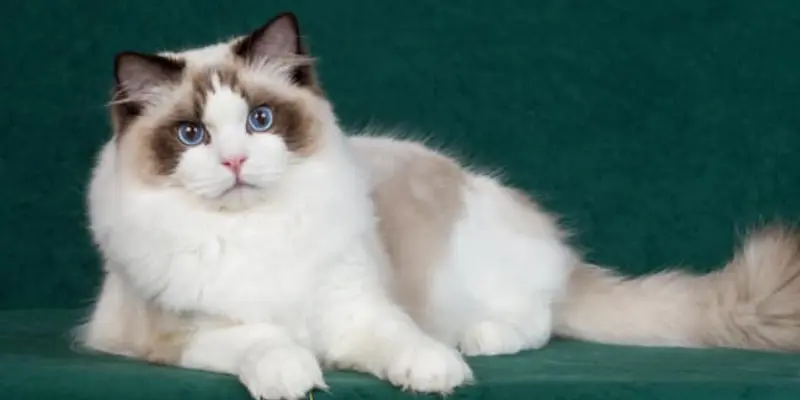
In this post, we are diving deep into everything that makes Chocolate Bicolor Ragdoll cats so special — from their unique appearance and genetics to how their color changes as they grow. We’ll also sprinkle in fun facts, gentle myths, and some personal care tips from our own experience as Ragdoll parents. Ready to fall in love with this sweet shade of fluff?
What Is a Chocolate Bicolor Ragdoll Cat?
When we talk about a Chocolate Bicolor Ragdoll, we’re describing both the color and the pattern of this beautiful breed.
- Chocolate refers to a warm, soft brown tone — lighter than the dark, rich “seal” shade most people know.
- Bicolor means the coat has two main colors — a creamy white body and chocolate points on areas like the ears, face, and tail.
What makes the bicolor pattern extra adorable is the inverted V marking on the face. It’s like nature painted a little heart shape right between their eyes! Their fluffy white chest and paws make them look like they’re always wearing tiny mittens and socks.
And of course, like every true Ragdoll, they have those mesmerizing blue eyes that can make anyone melt faster than chocolate on a warm day.
No two Chocolate Bicolor Ragdolls look exactly alike — each is a one-of-a-kind masterpiece, with its own shade, mask, and markings.
Appearance of Chocolate Bicolor Ragdoll Cats
The Chocolate Bicolor Ragdoll wears a coat that looks like it’s been brushed with cream and dusted with cocoa. The color is soft, smooth, and velvety — never too dark or harsh.
You’ll usually see:
- Chocolate points on the ears, tail, and sometimes across the mask area.
- A creamy white base coat on the chest, tummy, and legs.
- A signature inverted white “V” on the face that gives them that unmistakable “angelic” look.
We adore how the contrast between the white and chocolate tones feels warm and inviting — like a cozy cup of hot cocoa on a winter night.
Eye Color and Texture
All Ragdolls, including our chocolate bicolor babies, have striking blue eyes. Sometimes, the color appears lighter sky blue; other times, a deep sapphire. Under sunlight, they almost shimmer!
Their fur is semi-long, silky, and soft to the touch — more like rabbit fur than the typical cat coat. That’s one of the reasons Ragdolls rarely mat easily and are a joy to groom.
How They Differ from Other Colors
Chocolate Bicolors are lighter than Seal Bicolors, which have dark brown, almost black points. Compared to Blue or Lilac Bicolors, chocolates appear warmer and richer. We’ll go deeper into color comparisons later, but the chocolate tone always stands out with its soft, milky warmth.
Which Parents Can Produce a Chocolate Bicolor Ragdoll?
If you’ve ever wondered how these sweet shades come to life, it all starts with genetics — but don’t worry, we’ll keep it simple!
Understanding Chocolate Genes in Ragdolls
The chocolate color comes from a recessive gene, which means both parents must carry the gene for a kitten to be born chocolate.
In short:
- If both parents are chocolate, all kittens can be chocolate.
- If one parent is chocolate and the other carries the chocolate gene, some kittens may turn out chocolate.
- If neither parent carries the gene, you’ll never get chocolate kittens.
Think of it like mixing ingredients in a recipe — you can’t bake a chocolate cake if you don’t add cocoa!
Example Pairings
Here’s a simple breakdown:
- Chocolate x Chocolate = Chocolate kittens
- Chocolate x Seal (carrier) = Some chocolate kittens
- Seal x Seal (no chocolate gene) = No chocolate kittens
Trusted Breeders and Ethical Pairing
Since chocolate is rarer, it’s important to find breeders who focus on health and temperament, not just coat color. We always encourage fellow cat lovers to meet breeders who socialize kittens early and raise them in loving homes. After all, a happy Ragdoll is the sweetest Ragdoll!
How Chocolate Bicolor Ragdoll Color Changes from Kitten to Adult
Ragdoll color development is one of our favorite things to watch — it’s like watching a painting come to life.
Day 1 to Week 8 – The Tiny Cream Puff Stage
When our Chocolate Bicolor Ragdolls are born, they’re almost pure white, like tiny snowflakes! Their color points start to peek through during the first few weeks. You may notice a faint warm tint on their ears or tail, but it’s very subtle.
2 to 6 Months – The Sweet Fade In
As they grow, their chocolate tones begin to bloom. The face, tail, and ears darken gradually, and their signature markings become more defined. The cooler parts of their body (like their tail and ears) often develop the richest color since cat fur pigments react to temperature.
1 Year to Adult – The Final Chocolate Glow
By the time they reach one to two years old, their full chocolate bicolor beauty shines through. The white stays creamy, the chocolate deepens slightly, and their markings become perfectly balanced.
We always love comparing kitten photos with adult ones — it’s amazing how much they transform while still keeping that same sweet, gentle gaze.
Rarity & Uniqueness of Chocolate Bicolor Ragdolls
Chocolate Ragdolls are among the rarer coat colors because the chocolate gene isn’t very common. Many breeders focus on the more traditional seal or blue Ragdolls, making chocolates extra special to find.
When we first met a Chocolate Bicolor, we couldn’t believe how unique their coats looked — like someone painted them in shades of caramel and cream.
Personality and Temperament
Of course, what truly makes them precious isn’t just their color — it’s their temperament.
Chocolate Bicolors share the same gentle, floppy, and loving personality as all Ragdolls. They adore attention, follow us from room to room, and happily “flop” into our arms for cuddles. Their soft coloring seems to match their mellow, affectionate spirit perfectly.
Colour Comparisons — Chocolate vs. Other Ragdoll Shades
Let’s clear up some of the most common mix-ups we see between Ragdoll coat colors!
Chocolate vs. Seal Bicolor
- Chocolate: Warm, light milk-chocolate brown.
- Seal: Deep, dark brown — almost black.
If you look closely, the nose and paw pads on a chocolate are pinkish-brown, while seal Ragdolls have dark brown ones.
Chocolate vs. Blue or Lilac Bicolor
- Blue Bicolor: Cooler-toned, bluish-gray shade.
- Lilac Bicolor: Very pale, frosty cream-gray color.
Chocolate stands apart with its warm, golden undertone that feels richer and creamier.
Why It’s Easy to Mix Them Up
Lighting, age, and even camera filters can make colors tricky to identify! A young Chocolate Bicolor might be mistaken for a Seal Bicolor until their coat fully matures. One simple trick? Check their nose leather — chocolate is always softer and pinker than seal.
Fun Facts & Myths About Chocolate Bicolor Ragdolls
There are some fun facts and myths about Chocolate Ragdolls which need to be addressed:
Fun Facts
- Their name comes from their color, not their flavor (no, they don’t smell like chocolate — though that would be adorable!).
- Their coat color may darken in winter and lighten in summer, just like magic.
- Some Chocolate Bicolors have slightly lighter tails that make them look like they’ve been “dipped in cream.”
- They often develop the most charmingly symmetrical facial markings — as if they’re smiling.
Common Myths
❌ Myth: Chocolate Ragdolls are a different breed.
✅ Truth: They’re 100% Ragdoll — the color is just one of many beautiful variations.
❌ Myth: Their color stays the same forever.
✅ Truth: Ragdolls’ color evolves over time — even as adults, lighting and temperature can affect tone.
❌ Myth: Chocolate Ragdolls are more affectionate.
✅ Truth: All Ragdolls are cuddle champions! Their color doesn’t change how much love they give (and trust us, it’s a lot!).
How to Care for Chocolate Bicolor Ragdoll Cats
Our chocolate-coated sweethearts deserve all the pampering we can give!
Grooming Tips for Their Creamy Coats
- Brush them 2–3 times a week to keep their fur silky and tangle-free.
- Use a wide-tooth comb or soft slicker brush — their semi-long fur needs gentle care.
- Ragdolls don’t mat easily, but regular grooming keeps their coat shiny and healthy.
Diet for a Healthy Shine
A balanced diet keeps that coat glowing!
- Choose protein-rich cat food — chicken, fish, or turkey are great choices.
- Add Omega-3 fatty acids (from fish oil) to support coat health.
- Keep fresh water available at all times. Hydration keeps their skin soft and their fur luscious.
Keep Their Whites Bright!
Those snowy chests and paws can sometimes get a bit dull. Here’s how we help:
- Gently wipe eyes or paws with a damp, soft cloth when needed.
- Avoid harsh chemicals or whitening shampoos.
- Regular brushing and good nutrition are the best ways to keep their whites truly white.
Why We Adore Chocolate Bicolor Ragdolls
We’ve had the joy of living with many Ragdolls, but there’s something extra heartwarming about the Chocolate Bicolor’s coloring. The warm tones, the gentle personality, the way they curl up and look at us with those blue eyes — it’s pure love.
They’re playful yet calm, affectionate yet independent enough to entertain themselves when we’re busy. And when they do decide to nap on our laps? That’s our favorite part of the day.
Have you ever met a Chocolate Bicolor Ragdoll? Or maybe you share your home with one of these sweet fluffballs already? We’d love to hear about your experiences — every Ragdoll story makes our hearts purr.
Final Thoughts
The Chocolate Bicolor Ragdoll is a delightful mix of soft color, loving temperament, and heart-stealing beauty. Whether you’re admiring their creamy coat, their blue eyes, or their irresistible “flop,” there’s no denying they’re one of the sweetest shades in the Ragdoll rainbow.
But as much as we adore their looks, what truly matters is the bond we share. Every Ragdoll — chocolate, seal, blue, or lilac — brings warmth, comfort, and endless cuddles into our lives.
If you ever have the chance to welcome a Chocolate Bicolor Ragdoll into your home, be ready for years of purrs, headbutts, and unconditional love.
FAQs About Chocolate Point Ragdoll
Here is the list of frequently asked questions:
A Chocolate Bicolor Ragdoll has a soft mix of creamy white and warm milk-chocolate brown fur. The “bicolor” part means their coat has two main shades — with an adorable white inverted “V” on their face, white mittens, and a fluffy white chest. They’re as sweet and gentle as they look!
Yes, they’re one of the rarer Ragdoll colors because both parents need to carry the chocolate gene. That makes every chocolate kitten a little treasure! We don’t see them often, which makes spotting one feel extra special.
They sure do! Like all Ragdolls, they’re born almost pure white. Their chocolate tones slowly develop over months, deepening around the ears, face, and tail. By the time they reach one to two years old, their full chocolate beauty shines through.
Look closely at the shade! Chocolate Ragdolls have soft, warm, milk-brown points and pinkish-brown noses. Seal Bicolors, on the other hand, have darker, almost black-brown points and deep brown noses. Lighting can play tricks, so natural daylight helps!
Not exactly — all Ragdolls are cuddle champions! Their sweet color doesn’t change their personality, but many of us find their warm tones seem to match their gentle, loving spirit. They love to flop, snuggle, and follow us everywhere.
Regular brushing keeps their fur silky and tangle-free. We brush our Ragdolls two to three times a week and gently wipe their white areas to keep them bright. A healthy diet with protein and omega oils helps their coat stay shiny and soft.
Only if both carry the hidden chocolate gene! Chocolate is a recessive color, so it takes two carriers to pass it on. If neither parent carries the gene, their kittens won’t be chocolate — no matter how much we wish for one!


- Be Respectful
- Stay Relevant
- Stay Positive
- True Feedback
- Encourage Discussion
- Avoid Spamming
- No Fake News
- Don't Copy-Paste
- No Personal Attacks
- Be Respectful
- Stay Relevant
- Stay Positive
- True Feedback
- Encourage Discussion
- Avoid Spamming
- No Fake News
- Don't Copy-Paste
- No Personal Attacks
