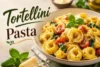
The Best Tortellini Pasta Salad Recipe in 6 Steps
Published: 19 May 2026
Here is the recipe outline, scroll down for detailed ingredients and step by step recipe method. Thanks for coming and do not forget to check other recipes on our homepage.
Table of Contents
Ingredients (With Exact Amounts)
Serves: 8–10 as a side dish Prep Time: 15 minutes Cook Time: 10 minutes Total Time: 25–30 minutes
For the Salad
- 20 oz refrigerated cheese tortellini (fresh from the refrigerator section — strongly preferred over dry or frozen)
- 4 oz salami, cut into bite-sized strips or small cubes
- 8 oz fresh mozzarella pearls (ciliegine or bocconcini size), halved
- 2 cups cherry tomatoes, halved
- 1 Persian or English cucumber, sliced into half-moons
- 1 can (14 oz) artichoke hearts canned in water, drained and quartered
- ½ cup Kalamata olives, sliced
- ½ cup pepperoncini peppers, thinly sliced
- 1 small red onion, finely diced
- ¼ cup fresh Italian parsley, roughly chopped
- ¼ cup freshly grated Parmesan cheese
For the Homemade Italian Dressing
- ⅓ cup extra virgin olive oil
- 3 tablespoons red wine vinegar
- 1 teaspoon Italian seasoning
- 1–2 cloves garlic, minced
- ½ teaspoon granulated sugar
- ¼ teaspoon red pepper flakes (optional, for a little heat)
- Salt and black pepper to taste
Pro Tip: If you are planning to make this salad ahead of time or if you know you will have leftovers, double the dressing recipe. Tortellini absorbs a lot of dressing as it sits in the fridge, and having extra on hand to freshen the salad before serving makes a huge difference. Just store the reserved dressing in the fridge in a sealed jar and shake it before pouring.
Step-by-Step Recipe Method
Step 1 — Boil and Cook the Tortellini
Start by filling a large pot with water — bigger than you think you need, because tortellini needs room to move around while it cooks. Place the pot on the stove over high heat and bring it to a full, rolling boil. Once the water is boiling, add a generous amount of salt — about one to two tablespoons. The water should taste noticeably salty, almost like light seawater. This is not the time to be shy with salt because this is the only chance you have to season the pasta itself from the inside out. A well-salted pasta makes the whole salad taste better, and no amount of dressing will fix bland, unseasoned tortellini.
Once the water is boiling and salted, add all 20 oz of the refrigerated cheese tortellini. Give them a gentle stir right away so they do not stick to the bottom of the pot. Refrigerated fresh tortellini cooks much faster than you might expect — it usually only needs 3 to 5 minutes. Start checking them at the 3-minute mark. You want them to be al dente, which means cooked through but still with a very slight firmness when you bite into one. Do not walk away from the pot during this step. Overcooked tortellini becomes soft and falls apart the moment you try to toss the salad, and there is no fixing that.
The second the tortellini is done, drain it immediately into a colander. Then run cold water over it for about 30 to 60 seconds, turning the tortellini gently with a spoon so the cold water reaches all of it. This cold rinse does two things at once — it stops the cooking process right where you want it, and it prevents the tortellini from clumping together into a sticky mass. Once rinsed, shake the colander a few times to drain off the excess water and then transfer the tortellini to the largest mixing bowl you have. You want a bowl that feels almost too big — you will need the extra space when it comes time to toss everything together.
Step 2 — Make the Homemade Italian Dressing
While the tortellini is cooking or immediately after draining, make the dressing. Grab a mason jar or any jar with a tight-fitting lid and add the extra virgin olive oil, red wine vinegar, minced garlic, Italian seasoning, granulated sugar, red pepper flakes if you are using them, and a generous pinch of salt and black pepper. Put the lid on tightly and shake the jar hard for about 20 to 30 seconds until everything is combined and the dressing looks slightly cloudy and emulsified. The sugar helps balance the sharpness of the vinegar, and the garlic gives the whole dressing that punch of savory depth that makes it taste homemade in the best possible way.
Taste the dressing before you use it. Dip a piece of lettuce or even just a finger in and see if it needs anything. If it tastes too sharp, add a small pinch more sugar. If it tastes flat, add a tiny splash more vinegar or a bit more salt. Setting it aside for even five minutes lets the garlic infuse into the oil and the flavors settle together. If the dressing sits long enough for the oil and vinegar to separate again, just give the jar another shake before pouring. Store any unused portion in the fridge and shake well before each use.
Step 3 — Prep All the Mix-In Ingredients
While the dressing rests, get all of your other ingredients ready. Halve the cherry tomatoes by slicing them straight through the middle — they should be in two equal halves so they hold their shape in the salad rather than breaking down. Slice the cucumber into half-moon shapes about a quarter inch thick. If you are using an English or Persian cucumber, you do not need to peel it. If you are using a regular garden cucumber, peel it and scoop out the seeds before slicing because the skin can be tough and the seeds add too much water to the salad.
Cut the salami into strips or small bite-sized cubes, whatever size you prefer. If your mozzarella pearls are the large bocconcini size, halve them so they are easier to eat. If they are the tiny pearl size, you can leave them whole. Drain the artichoke hearts from the can, rinse them briefly under water, and cut each one into quarters so they are the right size to mix into the salad without overwhelming each forkful. Finely dice the red onion — you want it small enough that it blends in rather than taking over. Slice the pepperoncini peppers into thin rings. Roughly chop the fresh parsley. Having everything prepped and ready before you start assembling makes the whole process smooth and fast.
Step 4 — Dress the Warm Tortellini First
This step is the secret to a deeply flavorful tortellini pasta salad, and it is the step that most people skip when they make pasta salad for the first time. Pour exactly half of the dressing over the warm, freshly drained tortellini in the bowl and toss it gently to coat. Do not wait until the tortellini is fully cold before doing this. Warm pasta is slightly porous and actively absorbs whatever liquid you put on it, meaning the tortellini will soak up the flavor of the garlic, the vinegar, and the olive oil from the inside out. If you wait until the pasta is cold and then add the dressing, it just sits on the surface and the pasta itself stays bland underneath.
Toss the dressing-coated tortellini gently using a large spoon or your clean hands. Be careful and slow — tortellini is delicate and if you toss it too aggressively it can split open or tear. Once everything is lightly coated, let the tortellini sit for about five minutes so it can cool down a bit and the dressing can start absorbing. You will notice the tortellini looks slightly less shiny as it soaks up the dressing, which is exactly what you want to see.
Step 5 — Combine Everything and Toss
Now it is time to bring the whole salad together. Add all of your prepped ingredients to the bowl with the dressed tortellini — the salami, mozzarella pearls, halved cherry tomatoes, cucumber slices, quartered artichoke hearts, sliced Kalamata olives, pepperoncini rings, diced red onion, and chopped parsley. Pour the remaining half of the dressing over the top of everything and then toss it all together gently. A large wooden spoon works well here, or you can use two large spoons to fold the ingredients together from the bottom up, which is gentler on the tortellini and helps make sure everything is evenly coated.
Once everything is combined, taste it. This is an important step that a lot of people rush past. See if it needs more salt, a little more pepper, or an extra splash of red wine vinegar for brightness. Every brand of salami, every brand of olives, and every batch of homemade dressing is slightly different, so the final seasoning adjustment is always worth doing. Sprinkle the freshly grated Parmesan cheese over the top and give it one last gentle toss to distribute it throughout the salad.
Step 6 — Chill, Finish, and Serve
Cover the bowl with plastic wrap or a lid and place it in the refrigerator for at least one to two hours before serving. This resting time is not optional if you want the best results. As the salad chills, the tortellini continues absorbing the dressing, the vegetables soften slightly and release a little of their natural juices into the bowl, and all the flavors come together into something that tastes layered and complex rather than just a bunch of separate ingredients thrown together. If you can make this salad the night before and let it chill overnight, do it — the difference in flavor is significant and very much worth the wait.
Just before serving, take the salad out of the fridge, remove the cover, and give it a taste again. If it looks a little dry because the tortellini absorbed the dressing during chilling, drizzle a little extra olive oil over the top or pour in some of the reserved dressing if you made extra. Toss gently one more time, then finish with a sprinkle of fresh Parmesan and a few extra leaves of parsley for color. Serve cold or at room temperature. Store any leftovers in an airtight container in the refrigerator for up to three days. When pulling leftovers out, always drizzle a little olive oil over the salad and toss it before eating — it brings it right back to life.
Variations in the Recipe
Pesto Tortellini Pasta Salad
If you love basil pesto, this variation is going to become your go-to. Instead of making the Italian vinaigrette, swap it out for one cup of basil pesto — store-bought works completely fine, and a good-quality jar from the grocery store is just as delicious as homemade when you are short on time. To loosen the pesto and add a tangy brightness that cuts through all that richness, mix in a quarter cup of pepperoncini brine straight from the jar. The brine adds salt, tang, and a subtle heat that balances the pesto beautifully. Stir the pesto and brine together until smooth, then use it exactly as you would use the vinaigrette in the original recipe. For this version, you can skip the salami and instead let the mozzarella, cherry tomatoes, artichoke hearts, and red onion carry the salad. It becomes a vegetarian-friendly option that is still completely satisfying and packed with flavor. Sun-dried tomato pesto is also a great alternative here if you want something a little richer and deeper in taste.
Southwest Tortellini Pasta Salad
This version takes the same formula and gives it a bold Tex-Mex twist that is perfect for cookouts, meal prep, or anytime you want something a little different. Swap the Italian dressing for a lime-cumin vinaigrette made with olive oil, fresh lime juice, rice vinegar, chili powder, ground cumin, a clove of garlic, salt, and a pinch of sugar. Shake it together in a jar and it comes together in about two minutes. Instead of the Italian mix-ins, you will add a can of drained black beans, one cup of corn (fresh, frozen, or canned all work), one ripe avocado cut into chunks, halved cherry tomatoes, finely diced red onion, and a handful of fresh cilantro. The avocado adds a creamy richness that works really well with the tangy lime dressing, and the black beans and corn make it hearty enough to eat as a standalone meal. This is also a naturally dairy-free option if you leave out the Parmesan.
Add a Protein to Make It a Full Meal
One of the easiest ways to turn this salad from a side dish into a complete dinner is to add a protein. Grilled chicken is the most popular option — just season boneless chicken breasts or thighs with salt, pepper, garlic powder, and olive oil, grill them until cooked through, and then slice or shred them over the salad. Grilled shrimp is another excellent choice and adds a summery, slightly smoky flavor that pairs really well with the Italian vinaigrette. For a more indulgent option, thin strips of grilled flank steak or sirloin are amazing in this salad and make it feel like a proper dinner rather than a side. If you want to keep it vegetarian, marinated and pan-fried tofu works surprisingly well — press it dry, cut it into cubes, marinate it in a little olive oil, garlic, and Italian seasoning, and pan-fry until golden on all sides before adding to the salad.
Cheese Swap Options
The recipe calls for fresh mozzarella pearls, which are mild, creamy, and delicious, but you have plenty of options if you want to change things up. Cubed cheddar cheese adds a sharper, more pronounced flavor and holds up well in the salad without getting too soft. Pepper jack is a great choice if you like a little heat — it melts into the dressing slightly and adds a spicy, smoky note throughout the salad. Crumbled feta is another wonderful option, especially if you are going for a more Mediterranean feel. Feta is saltier and tangier than mozzarella, so if you use it, taste your dressing before adding extra salt. You can also mix two cheeses together — half mozzarella and half cubed sharp cheddar, for example — to get the best of both worlds in terms of texture and flavor.
Tortellini Filling Variations
Plain cheese tortellini is the classic and most versatile choice because the mild cheese filling lets the dressing and the other ingredients shine without competing for attention. But once you are comfortable with the base recipe, it is worth experimenting with different fillings. Spinach and cheese tortellini adds a subtle earthy flavor and turns the pasta a beautiful green color, which looks stunning in the bowl. Mushroom tortellini has a deeper, more savory filling that works particularly well with the pesto variation. Meat-filled tortellini, usually made with beef or pork, makes the salad even heartier and is a great option if you are serving it as a main dish without adding extra protein on top. Multi-color tortellini — which mixes plain, spinach, and sometimes tomato-flavored pasta — makes for an especially beautiful presentation and is a fun choice when you are bringing the salad to a party or holiday gathering.
Mistakes to Avoid
Overcooking the Tortellini
This is the most common mistake people make, and it is also the one that is hardest to fix after the fact. Overcooked tortellini becomes soft, mushy, and fragile. When you try to toss it with the dressing and the other ingredients, it splits open, the cheese filling leaks out, and you end up with a bowl of mush instead of a salad. Refrigerated fresh tortellini cooks in as little as three to five minutes, which is much faster than dry pasta, so if you walk away from the pot and forget about it, it will be overcooked before you even realize it happened. Always cook tortellini to al dente — firm enough to hold its shape completely when pressed between two fingers, with just a tiny bit of resistance in the very center when you bite through it. Set a timer from the moment it goes into the water and check it early rather than late.
Not Salting the Pasta Water
Skipping salt in the pasta water is a mistake that affects the entire salad, and it is one that cannot be corrected by adding more dressing later. The pasta cooks inside that water and absorbs it as it softens, which means unsalted water leads to pasta that is bland at its core no matter what you put on top of it. The water should be generously salted before you add the tortellini — somewhere around one to two tablespoons of table salt for a large pot of water. A common way to gauge it is to taste the water and see if it has a clearly salty flavor, not overwhelmingly so, but noticeably seasoned. This step costs nothing extra and makes a significant difference in the finished salad.
Skipping the Cold Water Rinse
Some people skip the cold water rinse after draining the tortellini because they are in a rush or because they have heard that rinsing pasta removes starch and makes sauce slide off. For a hot pasta dish, that concern is valid. For a cold pasta salad, rinsing is absolutely the right move. The cold water stops the cooking process immediately, which means the tortellini stays at exactly the right texture instead of continuing to cook from residual heat after draining. It also washes away the surface starch that would cause the tortellini to stick together into a clump as it cools. If you skip the rinse, you will end up with a sticky mass of pasta that is nearly impossible to separate without tearing the tortellini apart.
Adding All the Dressing at Once Right Before Serving
A lot of people toss pasta salad with all the dressing right before serving, which seems logical, but it leads to a salad that tastes underdressed and flat. Tortellini needs to absorb dressing to taste its best — especially while it is still warm and slightly porous. The right approach is to add half the dressing to the warm tortellini right after draining, let it soak in, then add the remaining dressing when you toss everything together. If you are making the salad ahead, reserve some extra dressing to add just before serving because the pasta will absorb most of what you put on it overnight. This two-step dressing technique is the single biggest difference between a pasta salad that tastes vibrant and one that tastes like it needs more seasoning.
Serving It Too Soon After Making It
This salad needs time to rest in the refrigerator before it is at its best, and serving it immediately after assembling is a common shortcut that hurts the final result. When you first put it together, the ingredients are all still separate — the dressing has not soaked into the pasta, the tomatoes have not released any of their juice, and the flavors have not had a chance to blend together. After one to two hours in the fridge, the whole thing transforms. The tortellini is more flavorful, the dressing feels more integrated, and the salad tastes like a finished dish rather than ingredients that were just thrown together. Overnight chilling is even better. If you genuinely cannot wait, at least give it thirty minutes in the fridge before serving — it makes a noticeable difference even in that short time.
Using Oil-Packed Artichoke Hearts Without Adjusting
Oil-packed artichoke hearts are marinated in oil that often has its own strong flavor from garlic, herbs, or preservatives, and that oil does not always complement a homemade Italian vinaigrette. When you add oil-packed artichokes to the salad, their jarred oil mixes in with your dressing and can give the whole salad an off-taste that is hard to identify but makes it feel less fresh. Artichoke hearts canned in water are a much better choice because they have a neutral base that absorbs the flavors of your homemade dressing rather than fighting against it. If oil-packed is all you can find, drain them very well, rinse briefly with water, and pat them dry with a paper towel before adding them to the salad.
Forgetting to Re-Dress Before Serving
If you make this salad ahead of time — which is highly recommended — you must taste it and re-dress it before putting it on the table. As the salad sits in the fridge overnight, the tortellini absorbs a significant amount of the dressing. What looked beautifully coated the night before will look dry and a little dull the next day. This does not mean anything went wrong — it is just how pasta salad works. The fix is simple: before serving, drizzle a little extra olive oil over the salad, add some of the reserved dressing if you made extra, toss gently, and taste for seasoning. A small pinch of salt and a tiny splash of red wine vinegar also help revive the flavor. Give it two minutes of attention right before serving and it will taste fresh and vibrant again.
Conclusion
This tortellini pasta salad is one of those recipes that earns a permanent spot in your rotation fast. It is quick enough to throw together on a weeknight, impressive enough to bring to any gathering, and flexible enough to adapt to whatever you have in the fridge or whoever you are feeding. Once you make it the first time and see how much everyone loves it, you will stop looking for other pasta salad recipes. The combination of cheesy tortellini, fresh vegetables, salty salami, creamy mozzarella, and bright homemade Italian dressing is genuinely hard to beat — and the fact that it gets better overnight makes it even more practical for real life.
Do not be afraid to make it your own. Swap in pesto, try the Southwest version, add grilled chicken for a full meal, or experiment with different cheeses and tortellini fillings. The base recipe is solid and forgiving, which means there is plenty of room to play with it once you have made it once. Follow the tips in this post — cook the tortellini to al dente, salt your water, rinse with cold water, dress in two stages, and give it time to chill — and you will get a great result every single time. If you try this recipe, leave a comment below and let me know how it turned out. And if you bring it to a gathering, do not be surprised when it is the first dish to disappear.
FAQs Section
Can I Make Tortellini Pasta Salad Ahead of Time?
Yes, and honestly, you should. Making this salad ahead of time is one of the smartest things you can do because the flavors genuinely improve the longer the salad sits. The tortellini soaks up the dressing, the vegetables release a little of their natural moisture, and everything melds together into something much more delicious than it tastes fresh out of the bowl. You can make this salad up to 24 to 48 hours in advance. The key is to toss it with only half the dressing before refrigerating, then add the remaining dressing just before serving. This way the pasta gets plenty of flavor from resting overnight, but you are also adding a fresh hit of dressing at the end so it does not taste dry when it hits the table.
How Long Does Tortellini Pasta Salad Last in the Fridge?
Stored properly in an airtight container, this salad keeps well in the refrigerator for up to three days. After the three-day mark, the vegetables start to soften and break down, the pasta becomes a bit too soft, and the overall texture suffers enough that it is no longer at its best. The first two days are when it tastes the absolute best. When pulling it out of the fridge for leftovers, always drizzle a little olive oil over it and toss it before eating — the pasta will have absorbed most of the dressing as it sits and a small refresh makes a big difference.
Can I Use Frozen or Dry Tortellini Instead of Fresh?
You can use either, but fresh refrigerated tortellini from the grocery store is strongly recommended for this recipe. It cooks faster, turns out plumper, and has a creamier, more flavorful cheese filling than dry or frozen versions. Frozen tortellini is an acceptable second choice — just make sure to cook it from frozen according to the package directions and rinse well with cold water after draining. Dry packaged tortellini is the least ideal option because it takes longer to cook, tends to have a firmer and less satisfying texture, and the cheese filling is less pronounced. If fresh is available in your store, always go with that.
Can I Serve Tortellini Pasta Salad Warm?
This particular recipe is designed to be served cold or at room temperature, and serving it warm is not recommended. The Italian vinaigrette is a cold dressing and does not behave well when heated — the oil and vinegar separate, the dressing becomes greasy, and the whole salad loses the fresh, bright quality that makes it so good. The tortellini is also better in this salad when it is cold and firm rather than warm and soft. If you want a warm tortellini dish, try a creamy stovetop tortellini instead — but for this salad, keep it cold.
What Dressing Works Best for Tortellini Pasta Salad?
A homemade Italian vinaigrette made with extra virgin olive oil, red wine vinegar, garlic, and Italian seasoning is the classic choice and the one that works best with all the ingredients in this recipe. It is bright, tangy, and savory without being heavy. Basil pesto mixed with a little pepperoncini brine is the most popular alternative and creates a richer, herbaceous version of the salad. If you are in a pinch and want to use store-bought dressing, a good-quality bottled Italian or red wine vinaigrette will work — just taste it before using it and adjust the seasoning of the salad accordingly. Avoid creamy dressings like ranch or Caesar for this recipe, as they make the salad feel heavy and muddy and clash with the fresh vegetables.
Is Tortellini Pasta Salad Gluten-Free?
Standard tortellini is made with wheat flour and is not gluten-free. If you need to make a gluten-free version, look for gluten-free tortellini at specialty grocery stores or health food stores — they are becoming more widely available. Also check your salami and other packaged ingredients for any hidden gluten, as some processed meats contain fillers or additives that are not gluten-free. The homemade Italian dressing in this recipe is naturally gluten-free, so only the pasta itself is the concern.
Can I Add More Vegetables to Customize It?
Absolutely, and this salad welcomes customization. Great vegetable additions include roasted red peppers (jarred works perfectly), sliced banana peppers, grilled zucchini or squash, sun-dried tomatoes, bell peppers in any color, chickpeas or white beans for extra heartiness, fresh baby spinach stirred in just before serving, or shaved fennel for an interesting crunch and mild anise flavor. The only vegetables to be careful with are ones that release a lot of water, like seeded tomatoes or raw zucchini, which can water down the dressing and make the salad soggy. Stick to vegetables that hold their texture and do not break down easily and you really cannot go wrong.


- Be Respectful
- Stay Relevant
- Stay Positive
- True Feedback
- Encourage Discussion
- Avoid Spamming
- No Fake News
- Don't Copy-Paste
- No Personal Attacks
- Be Respectful
- Stay Relevant
- Stay Positive
- True Feedback
- Encourage Discussion
- Avoid Spamming
- No Fake News
- Don't Copy-Paste
- No Personal Attacks
