Rare Chocolate Ragdoll Colors: Sepia, Tortie, Tabby & More
Published: 17 Oct 2025
There’s something truly magical about Chocolate Ragdolls. Their coats shimmer with soft cocoa tones, their eyes sparkle with warmth and their personalities are as sweet as their name suggests.
When we first met a Chocolate Ragdoll kitten, we couldn’t believe how silky and creamy her fur looked in the sunlight. It’s like melted milk chocolate! Ever since, we have been smitten with this rare and beautiful color line.
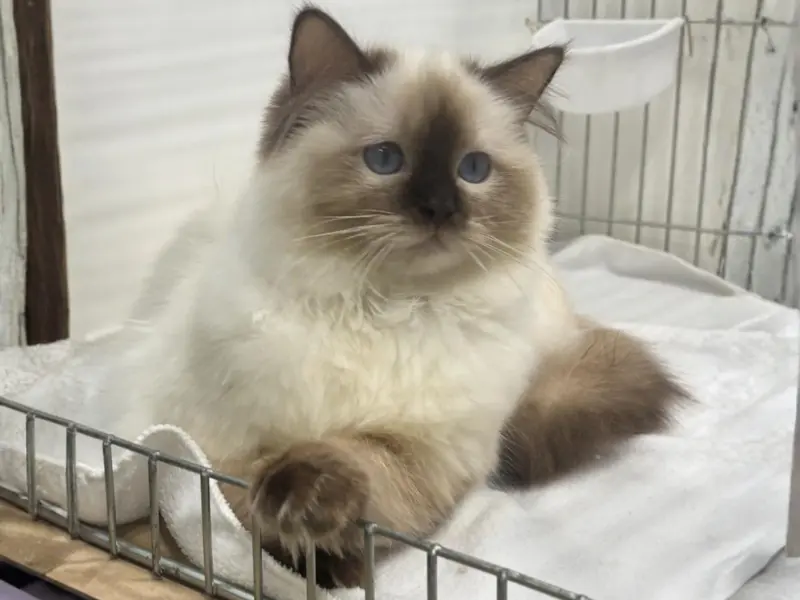
In this guide, we will explore all the rare chocolate Ragdoll colors from Sepia and Tortie to Tabby (Lynx) and Mink along with real-life care tips and fun facts from our experience raising these fluffy beauties.
What Makes Chocolate Ragdolls So Special?
Chocolate Ragdolls are some of the rarest (and sweetest) cats in the Ragdoll family. Their unique color comes from special genes that create soft, warm shades of brown — a bit like sipping a cup of creamy cocoa on a winter day.
They are not just beautiful but their personalities are pure love. Chocolate Ragdolls are gentle, floppy and affectionate. These are the perfect mix of cuddle buddy and couch companion. Let’s take a closer look at what makes these cocoa-coated fluffballs so special.
The Genetics Behind the Chocolate Color
Let’s keep this simple — the chocolate color in Ragdolls is the result of a recessive gene. This means both cat parents need to carry the “chocolate gene” for their kittens to show that color.
Compared to the more common seal Ragdolls (which are dark brown), chocolate Ragdolls have a lighter and milkier brown tone. And if you have ever seen a lilac Ragdoll, that’s actually the diluted version of chocolate — even paler and dreamier!
That’s why true chocolate Ragdolls are rare. Breeders need to plan carefully to produce them which makes every chocolate kitten feel like a little miracle.
Why Cat Lovers Fall for Chocolate Ragdolls
There is something irresistible about a Chocolate Ragdoll’s soft, velvety fur and warm coloring. These cats often have blue or aqua eyes that seem to glow against their creamy coats. They look like living chocolate truffles — silky, elegant and oh-so-snuggly.
And personality-wise? They are pure Ragdoll: calm, friendly and always up for a cuddle. Once you have held a chocolate Ragdoll in your arms, you’ll know — it’s love at first purr.
Rare Chocolate Ragdoll Variations You’ll Fall in Love With
Just like chocolates in a fancy box, Chocolate Ragdolls come in several delightful varieties! From rich Sepia tones to playful Tortie patches and delicate Tabby (Lynx) stripes — each one has its own charm and story. Let’s unwrap them one by one.
1. Chocolate Sepia Ragdoll
Chocolate Sepia Ragdolls have the deepest, richest coat color among the chocolate types. Their fur looks like smooth, melted fudge — darker and more even-toned than traditional Ragdolls.
Unlike pointed Ragdolls (where the face, ears and tail are darker), sepias have solid coloring across the entire body. Their eye colors range from gold to green, adding even more mystery and beauty to their look.
One of our sepia Ragdolls, Mocha, absolutely loves sunbathing. When the sunlight hits her coat, it shines like liquid bronze and yes, we melt a little every time.
2. Chocolate Tortie Ragdoll
Oh, the Tortie! If you have never met one, you are in for a treat. A Chocolate Tortie Ragdoll has a coat sprinkled with patches of cream and chocolate, creating a beautiful marbled effect that’s unique to each cat.
Fun fact — only female Ragdolls can be torties! That’s because of how the color genes work (males only get one color gene while females get two).
Torties are often said to have a little “tortitude” — a confident, sassy personality wrapped in sweetness. And whether they are pointed, mink or sepia, every Chocolate Tortie Ragdoll is a walking piece of art.
3. Chocolate Tabby Ragdoll (Lynx Chocolate)
If you adore stripes, the Chocolate Tabby Ragdoll also called Chocolate Lynx will steal your heart. These Ragdolls have beautiful chocolate stripes that outline their face, legs and tail, giving them a soft wildcat look.
Their markings are subtle and elegant, especially when paired with bicolor or mitted patterns. We love how their little “M” forehead marking gives them that wise, gentle expression that melts us every time.
Our Lynx Ragdoll, Choco, loves to show off his tabby tail by flicking it during playtime — as if he knows just how handsome he looks!
4. Chocolate Mink Ragdoll
Mink Ragdolls are known for their extra-soft, plush coats and aqua eyes that shimmer like tropical waters.
A Chocolate Mink Ragdoll looks like it’s wearing a warm, even layer of cocoa velvet. Unlike traditional pointed Ragdolls, their color is more blended — no sharp contrast between body and points.
The first time we brushed our mink girl, we were amazed at how silky her fur felt. It was like stroking a cloud made of chocolate. They really are that soft!
5. Chocolate Bicolor and Mitted Ragdolls
Finally, we can not forget the charming Bicolor and Mitted chocolate Ragdolls.
- Bicolor Chocolate Ragdolls have adorable white faces and chests with a chocolate “mask” and darker ears. Their upside-down white “V” marking on the face gives them that innocent baby-like look.
- Mitted Chocolate Ragdolls have neat white paws like they are wearing tiny mittens!
Both types look incredibly sweet and photograph beautifully. Our camera roll is full of sleepy mitted kittens showing off their pink toe beans!
How to Tell if Your Ragdoll is a Chocolate
Sometimes it’s tricky to tell whether your Ragdoll is chocolate or seal. The colors can look similar — especially when they are kittens! But don’t worry, here’s how we usually tell the difference.
The Color-Test Guide
- Seal Ragdolls have deep, dark brown points — almost black.
- Chocolate Ragdolls have warmer, milkier brown tones that look softer.
- Nose and paw pads are a big giveaway: chocolates have pinkish-brown pads, while seals have dark brown or blackish ones.
Kittens are usually born pale and “bake” into their chocolate tone as they grow. Watching their color deepen over the months is like unwrapping a sweet surprise day by day.
Helpful Tip
If you are unsure, a simple DNA color test can confirm it! Most breeders offer it, or you can order one online.
We tested one of our kittens, hoping she was chocolate and when the results said “chocolate mink,” we practically threw a little paw-ty!
Caring for Chocolate Ragdolls
Chocolate Ragdolls don’t just look luxurious — their coats need gentle care to stay that way. With a little love and routine grooming, your Ragdoll will stay soft, shiny and camera-ready all year long.
Grooming Tips for Rich Coats
- Brush regularly (2–3 times a week) with a soft slicker brush to prevent tangles.
- Use a detangling spray or grooming wipes to keep the coat silky.
- Be gentle around the chest and belly — that’s where mats like to sneak in!
We have found that grooming time becomes bonding time. Our cats purr the whole way through like they are at a little spa.
Keeping the Color Vibrant
A healthy diet is the secret to a glowing coat. We always add omega-3 fatty acids (like salmon oil) to their meals to boost shine.
Also, keep your Ragdoll out of harsh sunlight for long hours. It can fade the coat color over time.
Our chocolate mink, Coco, looks her best after her weekly salmon treat. We swear her fur gleams extra bright after those omega-packed snacks!
Why Chocolate Ragdolls Are Considered Rare
It’s not just their color that’s special but it’s their rarity. The chocolate gene is recessive, meaning both parents must carry it for chocolate kittens to appear. That’s why finding a true chocolate Ragdoll is like finding a gem in a box of truffles!
Reputable breeders work carefully to maintain healthy chocolate lines. If you are dreaming of adopting one, be patient and do your research because the wait will be so worth it once you meet your cocoa-colored cuddle buddy.
Where to Find Chocolate Ragdoll Kittens (and What to Look For)
If your heart’s set on bringing home a Chocolate Ragdoll, look for ethical breeders who focus on health, temperament and proper color genetics.
Here’s what we always recommend:
- Ask for health certificates and color test results.
- Visit the cattery (even virtually) to see how kittens are raised.
- Avoid breeders who have too many litters at once or won’t answer your questions.
You can also check Ragdoll rescues — sometimes these rare beauties need a second chance at a loving home.
Final Thoughts
Chocolate Ragdolls are a sweet reminder of why we fell in love with this breed in the first place — soft, gentle, loving and impossibly beautiful.
Whether sepia, tortie, tabby, mink or bicolor, every chocolate Ragdoll has a story that melts our hearts. Their silky fur, calm nature and soulful eyes make every day feel warmer and cozier.
We can not imagine our lives without our chocolate-coated cuddle buddies. So if you ever get the chance to welcome one into your home — grab that opportunity with both paws!
Do you have a chocolate Ragdoll at home? We would love to hear all about your sweet fluffball — share your story with us in the comments or tag us in your favorite chocolate kitty photos!
FAQ about Sepia, Tortie, Tabby & More Rare Chocolate Ragdolls
Here are frequently asked questions:
Chocolate Ragdolls are rare because their color comes from a recessive gene which means both parents must carry it for the kittens to show chocolate coloring. Breeders carefully plan these pairings, so chocolate kittens appear less often than seal or blue Ragdolls. That’s why finding a true chocolate fluffball feels like discovering a little cocoa treasure!
Chocolate Ragdolls come in several stunning variations — including Chocolate Sepia, Chocolate Tortie, Chocolate Tabby (Lynx), Chocolate Mink and Chocolate Bicolor or Mitted. Each has its own charm: sepias are rich and dark, torties are playful and patchy, tabbies have elegant stripes and minks are extra-soft with aqua eyes.
Chocolate Ragdolls have a warmer and milkier brown tone while seal Ragdolls look much darker — almost blackish-brown. You can also check their nose and paw pads: chocolates usually have pinkish-brown tones, while seals have dark brown or nearly black pads. A simple DNA test can confirm your cat’s color, too.
Yes! Like other Ragdolls, chocolate kittens are born very light and gradually darken as they grow. Their creamy bodies and cocoa points develop over several months, so watching your kitten “bake” into its final color is one of the sweetest parts of raising a Ragdoll.
Absolutely. Chocolate Ragdolls have the same loving, laid-back nature as other Ragdolls. They’re affectionate, gentle and adore being around their humans. Whether sepia, tortie or tabby, every chocolate Ragdoll is a purr-fect cuddle buddy with a heart as warm as its color.
To keep that silky chocolate coat shiny, brush your Ragdoll a few times a week using a soft slicker brush. A balanced diet rich in omega-3s helps maintain luster and gentle grooming keeps tangles away. We also love using cat-safe grooming wipes between brushes — our Ragdolls purr like they are at the spa!




- Be Respectful
- Stay Relevant
- Stay Positive
- True Feedback
- Encourage Discussion
- Avoid Spamming
- No Fake News
- Don't Copy-Paste
- No Personal Attacks
- Be Respectful
- Stay Relevant
- Stay Positive
- True Feedback
- Encourage Discussion
- Avoid Spamming
- No Fake News
- Don't Copy-Paste
- No Personal Attacks
