Rarest Variations in Cream Color Ragdolls: A Guide to These Dreamy Fluffballs
Published: 6 Oct 2025
There’s something truly magical about a cream-colored Ragdoll. Their soft pastel fur, gentle blue eyes, and calm personality make them look like they’ve stepped right out of a fairytale. But did you know that some cream Ragdolls are extra special, so rare that finding one feels like discovering a hidden treasure?
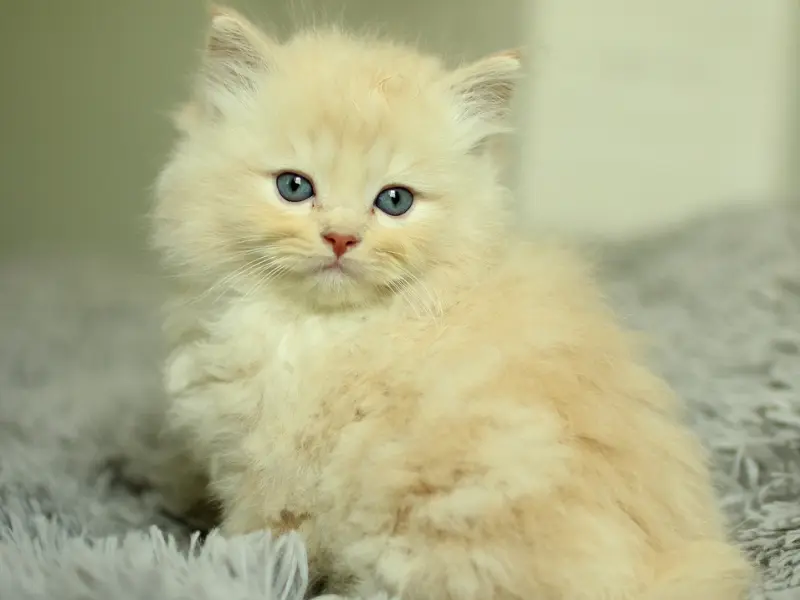
In this post, we are sharing everything we’ve learned about the rarest cream Ragdoll variations from genetics and coat patterns to what makes each one uniquely beautiful. So, grab a cup of tea, cuddle up with your fluffball and let’s explore these creamy wonders together!
What Makes Cream Ragdolls So Unique?
The cream coat color in Ragdolls is one of the most enchanting shades we’ve ever seen. It’s soft, delicate, and gives them a dreamy look that melts hearts.
Cream isn’t a primary color—it’s actually a diluted form of red (also called flame). This means the intense orange tones of a flame Ragdoll are softened into a gentle, creamy hue. Depending on genetics and lighting, a cream Ragdoll might look pale ivory, peachy, or even slightly golden.
What’s even more fascinating is that cream tones can appear in different patterns, such as:
- Pointed: Darker color on the ears, face, paws and tail.
- Bicolor: A soft white “V” shape on the face with white legs and belly.
- Lynx: Tabby-like stripes on the face and tail.
- Tortie: A mix of two colors (like cream and blue) that create a marbled or patchy coat.
We have seen these colors change slightly as kittens grow. Our cream Ragdolls started as pale fluffballs and over time their coats deepened into a warm, peachy glow. It’s truly a joy watching them “grow into” their color!
Understanding the Genetics Behind Cream Ragdolls
We know genetics might sound a bit complicated but it’s actually pretty cool (and simple once you see it through a cat parent’s eyes!).
The cream color comes from the dilute gene which softens strong colors into pastels. For example:
- Red (flame) becomes cream
- Seal becomes blue
- Chocolate becomes lilac
When a Ragdoll inherits two copies of the dilute gene (one from each parent), that’s when the magic happens and we get those rare, soft cream tones.
And then, when you mix cream with specific patterns like lynx, bicolor or tortie, you get some of the rarest and most breathtaking combinations. Let’s explore them!
The Rarest Cream Color Variations in Ragdolls
Ready to meet the crème de la crème of cream Ragdolls? Each one of these variations has its own charm and personality and we have fallen in love with every single one.
Cream Lynx Bicolor Ragdoll
This one is a true showstopper! The cream lynx bicolor Ragdoll has a soft ivory or pale cream base, faint tabby (lynx) markings on the face and tail, and the signature white “V” mask on the face.
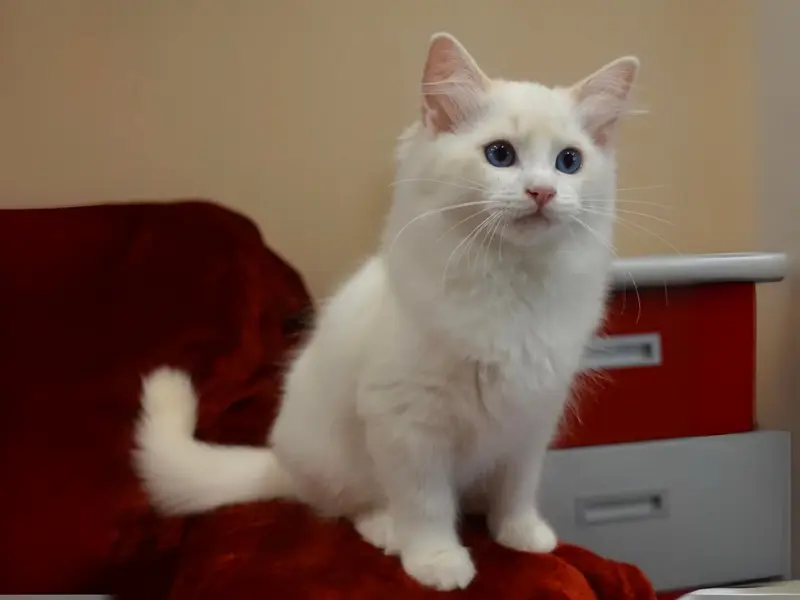
They are incredibly rare because the cream color and lynx pattern both require specific genes which are not an easy combination to get through breeding.
Their sweet temperament matches their looks: calm, affectionate and always ready for a cuddle. We have found them to be gentle souls who love being brushed and admired (and really, who can blame them?).
Lilac Cream Lynx Point Ragdoll
The lilac cream lynx point Ragdoll is one of the rarest coat variations you’ll ever see. Lilac is already a dilute color — a soft, frosty lavender-gray. When mixed with cream points and faint lynx striping, the result is breathtaking.
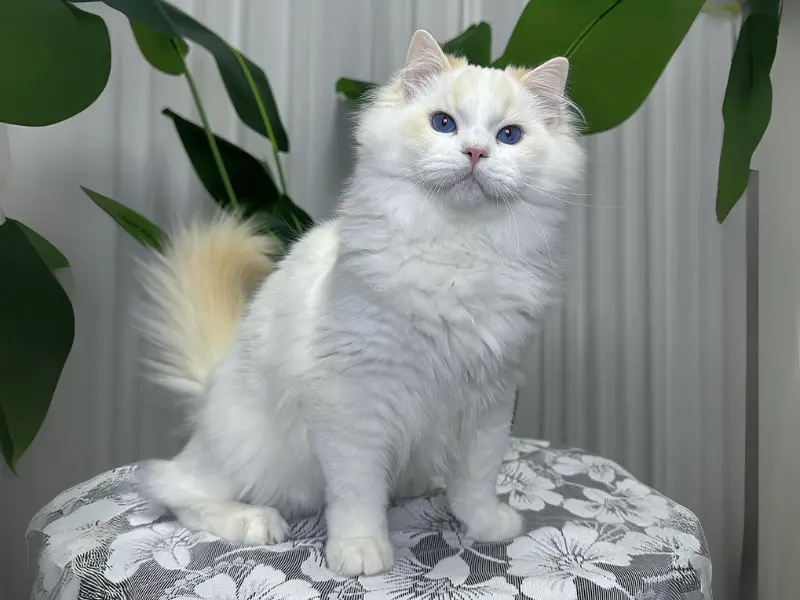
This color requires multiple dilute genes, which makes it especially rare. These cats often look like they are wearing the softest pastel watercolor shades.
Their personality tends to be serene and affectionate. They love warm laps, gentle grooming and quiet moments. We like to call them our “little clouds” which are always calm, always cuddly.
Blue Cream Lynx Point Ragdoll
Now here’s a coat that shines like a sunrise! The blue cream lynx point Ragdoll combines soft gray-blue fur with delicate cream highlights and subtle lynx striping.
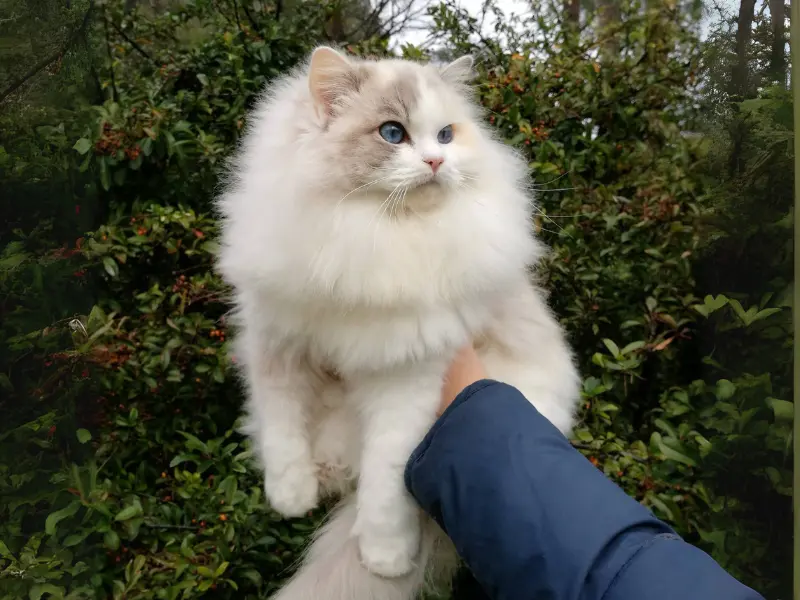
When the sunlight hits their fur just right, it glows almost as if dusted with silver and peach. This variation is slightly more common than lilac cream but still rare compared to standard colors.
We have noticed these Ragdolls often have playful and curious personalities. They’re active cuddle bugs who love exploring and curling up beside us when the day winds down.
Blue Cream Bicolor Ragdoll
The blue cream bicolor Ragdoll blends all our favorite things — blue-gray and cream fur patterns with the iconic white bicolor face and legs. The mix gives them an angelic look that’s just irresistible.
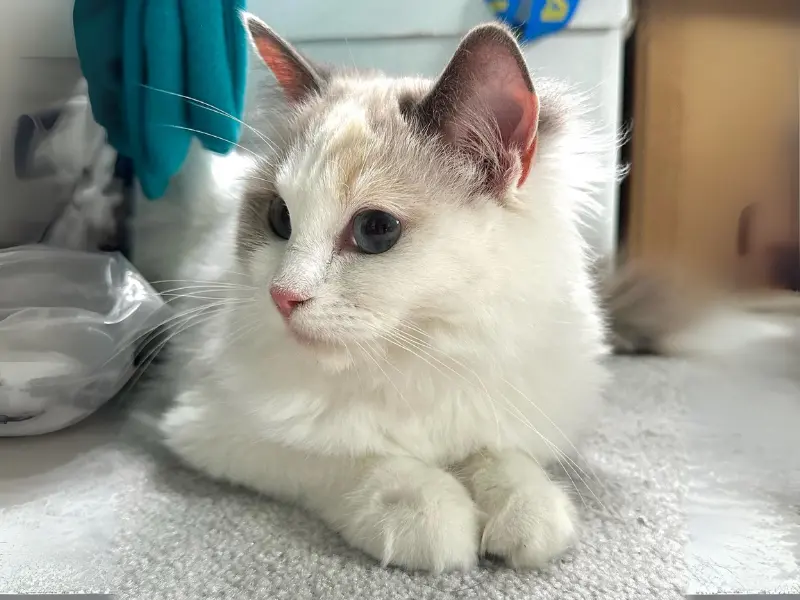
Because the bicolor pattern itself is already uncommon, combining it with blue cream makes this variation extra special. Their coats can subtly shift shades as they grow, deepening in contrast around the face and tail.
We find these Ragdolls have such balanced personalities as others. These are sweet, social, and always happy to follow us around the house like soft little shadows.
Blue Cream Tortie Ragdoll
Ah, the blue cream tortie Ragdoll — a true work of art! Their coats are a delightful mix of blue and cream patches, each one completely unique. No two torties ever look the same which makes them extra fun to admire.
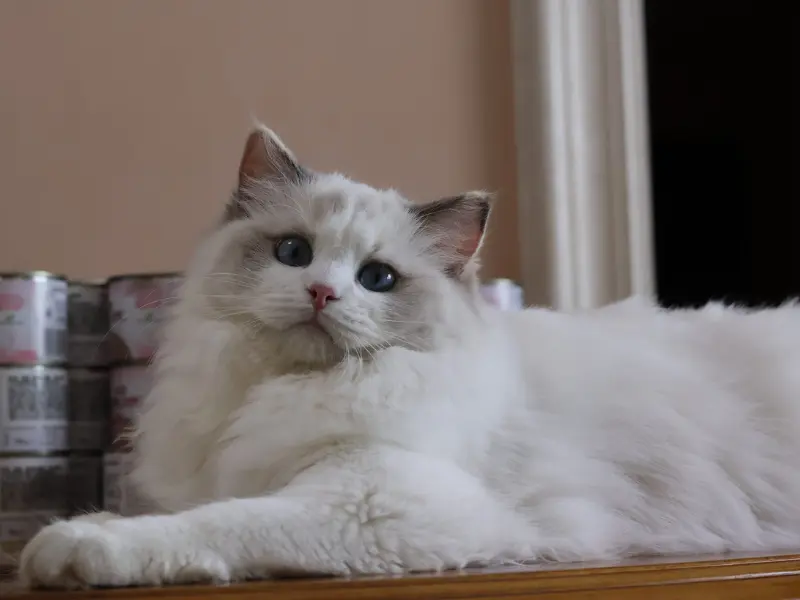
Fun fact: most tortie Ragdolls are female because the color genes are linked to the X chromosome. These lovely ladies often have spirited, affectionate personalities.
We adore how every blue cream tortie seems to show off her own personality through her colors — confident, elegant and absolutely unforgettable. 💖
Why Are These Cream Variations So Rare?
You might be wondering, “If they’re so gorgeous, why don’t we see them more often?”
Here’s why:
- These variations need very specific genetic combinations — multiple dilute and pattern genes working together.
- Few breeders specialize in them because they are hard to predict and maintain pure lines.
- Some colors, like lilac cream or blue cream tortie, can only result from certain parent pairings.
So, finding one of these rare Ragdolls can take time, patience, and sometimes a bit of luck. But when you finally meet your perfect fluffball — trust us, it’s worth the wait!
Caring for Cream and Dilute Ragdolls
Caring for these pastel beauties is all about gentle love and consistent grooming. Their soft coats deserve a little extra attention to stay silky and clean.
Here are our favorite care tips:
- Brush regularly — at least 2–3 times a week to prevent tangles.
- Use a soft slicker brush or wide-tooth comb to avoid breakage.
- Clean their eyes and paws gently — pale coats can show stains more easily.
- Feed a balanced diet rich in omega fatty acids to support coat health.
- Keep them mostly indoors — sun exposure can slightly affect their coat tone.
We actually love brushing time — it’s not just grooming, it’s bonding. Our Ragdolls purr the entire time and it’s one of our favorite daily rituals.
Should You Adopt a Rare Cream Ragdoll?
If you have fallen in love with these rare shades (we totally understand!), there are a few things to consider before adopting one.
While rarity adds charm, the most important factors are health, personality and ethical breeding. Always look for:
- Reputable breeders or trusted rescue organizations
- Health certificates for genetic conditions
- Kittens raised in loving, social environments
And remember — even if your Ragdoll isn’t the rarest color in the litter, every single one brings the same love, loyalty and snuggles into your life. 💕
Conclusion
From cream lynx bicolors to lilac cream lynx points, these rare Ragdoll variations are truly the jewels of the cat world. Each one tells its own story through a swirl of soft, delicate colors — a living piece of art wrapped in fur.
But to us, what makes them special isn’t just their beauty — it’s their hearts. Whether they’re rare or common, every Ragdoll fills our home with love, warmth and those unforgettable purrs.
So if you ever meet a cream-colored Ragdoll, take a moment to admire that soft coat, those dreamy eyes, and the gentle spirit beneath. Because no matter the shade, every Ragdoll is purr-fectly one of a kind.
FAQ: Cream and Blue Ragdoll Color Variations
Here are frequently asked questions:
A cream lynx bicolor Ragdoll is a rare beauty with a soft cream coat, faint tabby-like (lynx) stripes on the face and tail, and the signature white “V” on the nose. This gentle color combination makes them look like cuddly clouds! The lynx and bicolor patterns together are quite uncommon which adds to their charm and rarity.
Lilac cream lynx point Ragdolls are among the rarest color variations you can find. Their coats blend pale lilac-gray with creamy points and delicate lynx markings. This color requires multiple dilute genes, so it’s not easy to breed. If you ever meet one, you are looking at a true pastel treasure!
Blue cream lynx point Ragdolls have soft gray-blue fur with touches of cream and subtle tabby striping. The mix gives them a dreamy look that glows in the sunlight. They are slightly easier to find than lilac cream Ragdolls but still rare and breathtaking to see in person.
Yes! Blue cream bicolor Ragdolls are rare because their coloring combines two unique features like the blue cream tone and the bicolor pattern. Their fur has a powdery blue-gray shade mixed with cream, plus that adorable white “V” on the face. The result? A truly angelic, one-of-a-kind look.
A blue cream tortie Ragdoll is a lovely blend of blue-gray and cream patches. No two look the same — each tortie has her own artistic mix of colors. Most torties are female, thanks to genetics, and they’re known for being affectionate, sassy and full of personality.
Usually, yes. Because colors like lilac cream lynx point and blue cream tortie are hard to breed, their kittens often come at a higher price. But we always remind fellow cat lovers, while rare colors are beautiful, what truly matters is the loving bond you share with your Ragdoll.
They often do! Many cream and dilute Ragdoll kittens start out almost white and their colors gradually deepen over the first few years. It’s part of the fun — watching their shades slowly bloom like soft, fluffy flowers.






- Be Respectful
- Stay Relevant
- Stay Positive
- True Feedback
- Encourage Discussion
- Avoid Spamming
- No Fake News
- Don't Copy-Paste
- No Personal Attacks
- Be Respectful
- Stay Relevant
- Stay Positive
- True Feedback
- Encourage Discussion
- Avoid Spamming
- No Fake News
- Don't Copy-Paste
- No Personal Attacks
