Palestinian Knafeh: The Ultimate Middle Eastern Cheese Dessert
Published: 4 Feb 2026
If you love rich, gooey desserts with a crispy, golden crust, Palestinian knafeh is the treat you’ve been waiting for. This traditional Middle Eastern cheese dessert combines shredded pastry, melted cheese, and sweet syrup, creating a unique balance of textures and flavors.
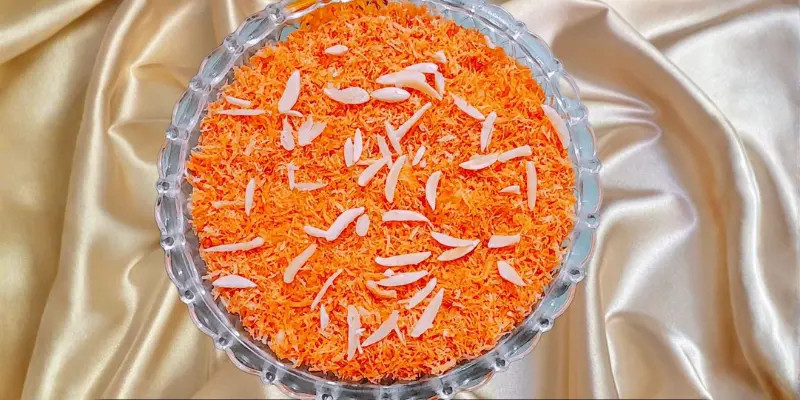
Whether you want to explore authentic knafeh Nabulsi, or try a traditional kunafa dessert at home, this guide walks you through every step. If you enjoy this recipe, don’t forget to check our homepage for more Middle Eastern desserts and international sweet treats.
What Is Palestinian Knafeh?
Knafeh (also spelled kanafeh or kunafa) is a Middle Eastern dessert made from shredded pastry (kataifi) layered with rich cheese and soaked in sugar syrup. The Palestinian version, especially Knafeh Nabulsi, originates from Nablus and is known for its slightly salty, stretchy cheese and golden crispy top.
Unlike other desserts, knafeh is served warm, so the cheese remains soft and gooey, while the pastry adds a delightful crunch. It is often garnished with crushed pistachios or rose water syrup for an extra aromatic touch.
History and Cultural Significance
Palestinian knafeh is more than a dessert; it’s a symbol of celebration and heritage. It is traditionally served during festivals, holidays, and family gatherings.
The recipe has traveled across the Middle East, with slight variations in Egyptian kunafa recipes, Lebanese desserts with cheese, and Syrian cheese desserts. However, the authentic Nabulsi style remains a treasured classic, featuring a balance of sweet syrup and slightly salty cheese that sets it apart.
Regional Variations of Knafeh
- Egyptian Kunafa Recipe: Often includes nuts, cream, or condensed milk for richness.
- Lebanese Cheese Dessert: Sometimes uses semolina dough or clotted cream.
- Syrian Cheese Dessert: Can include subtle spices or different cheese blends.
- Traditional Knafeh Nabulsi: Focuses on salted cheese, kataifi, butter, and aromatic syrup.
Each version has its unique twist, but the Palestinian style is famed for its simplicity and balance.
Ingredients for Authentic Palestinian Knafeh
To make the best knafeh at home, you’ll need:
- 500g kataifi dough (shredded phyllo)
- 400g Nabulsi cheese or Akkawi cheese (soaked to remove excess salt)
- 150g unsalted butter or ghee (melted)
- 1 cup sugar
- 1/2 cup water
- 1 tablespoon lemon juice
- 1 teaspoon rose or orange blossom water
- Crushed pistachios for garnish
Ingredient Notes:
- Nabulsi cheese is slightly salty and soft, ideal for the gooey center.
- Ghee or butter ensures the kataifi becomes golden and crispy.
- Rose or orange blossom water adds the traditional aromatic flavor.
Equipment You Will Need
- Large mixing bowls
- Baking tray or shallow pan
- Saucepan for sugar syrup
- Citrus juicer or spoon for lemon juice
- Knife and cutting board
- Spoon or spatula for pressing the layers
Step-by-Step Recipe: How to Make Palestinian Knafeh
This step-by-step method ensures your knafeh has a crisp, golden top and a rich, melty cheese center.
Step 1: Prepare the Kataifi Dough
- If using frozen kataifi, allow it to thaw completely.
- Gently separate the strands with your hands. Avoid tearing the delicate pastry.
- Pour melted butter or ghee over the kataifi, ensuring all strands are coated.
- Optional: Add a few drops of orange or yellow food coloring to achieve the traditional golden hue.
Step 2: Prepare the Cheese Filling
- Soak the Nabulsi or Akkawi cheese in cold water for 2–3 hours to remove excess salt. Change water 2–3 times.
- Drain and pat dry thoroughly.
- Grate or crumble the cheese into small pieces.
- Mix with a teaspoon of semolina or sugar to balance the flavor and create structure.
Step 3: Assemble the Base Layer
- Take half of the buttered kataifi and press it evenly into the bottom of your baking pan.
- Use a spoon or spatula to press firmly but gently, forming a compact base layer.
- This layer will form the crispy bottom crust of your knafeh.
Step 4: Add the Cheese Layer
- Spread the prepared cheese evenly over the base layer.
- Press lightly so the cheese covers the entire surface evenly.
- Ensure there are no gaps; this will make the dessert uniform and melty in every bite.
Step 5: Add the Top Kataifi Layer
- Spread the remaining kataifi over the cheese layer.
- Press gently to cover the cheese completely.
- Brush more melted butter or ghee over the top to ensure a golden and crisp finish.
Step 6: Bake the Knafeh
- Preheat your oven to 180°C (350°F).
- Bake for 30–35 minutes, or until the top is golden brown and crispy.
- For stovetop preparation, use a heavy-bottomed pan on low heat, cover, and cook slowly until golden.
- Avoid overbaking; you want the cheese to remain soft inside.
Step 7: Prepare the Sugar Syrup (Ater)
- Combine 1 cup sugar and 1/2 cup water in a small saucepan.
- Bring to a gentle boil, stirring to dissolve the sugar.
- Add lemon juice and rose or orange blossom water.
- Let the syrup simmer for 5 minutes until slightly thickened, then remove from heat.
- Allow it to cool slightly so it’s warm but not boiling when poured over the knafeh.
Step 8: Finish and Serve
- Immediately after baking, pour the warm syrup evenly over the hot knafeh.
- Let the syrup soak for a few minutes to enhance flavor.
- Sprinkle generously with crushed pistachios.
- Serve warm so the cheese remains gooey and stretchy.
Tips for Perfect Knafeh
- Soaking cheese is crucial to balance saltiness.
- Use enough butter to coat the kataifi evenly for a golden, crispy crust.
- Pour syrup immediately after baking for the best texture.
- Optional: Use a kitchen torch to caramelize the top slightly for extra crunch.
Serving Suggestions
- Serve warm, directly from the pan for a rustic presentation.
- Pair with black tea, Arabic coffee, or mint tea.
- Ideal for celebrations, family gatherings, or holiday feasts.
- Garnish with pistachios or rose petals for elegance.
Frequently Asked Questions
Q: Can I use mozzarella instead of Nabulsi cheese?
A: Yes, mozzarella works well, but it lacks the slightly salty flavor of Nabulsi. Add a pinch of salt to mimic authentic taste.
Q: What if I can’t find kataifi dough?
Shredded phyllo or finely chopped phyllo sheets can be used, though texture may differ slightly.
Q: How should I store leftover knafeh?
Store in the refrigerator for up to 2 days. Reheat in the oven or microwave before serving.
Q: Is knafeh supposed to be sweet or slightly salty?
The combination of sweet syrup and slightly salty cheese is traditional and part of the charm.
Health Notes and Ingredient Swaps
- Reduce sugar in syrup for a lighter version.
- Butter can be replaced with ghee or clarified coconut oil.
- Cheese substitutions are possible but stick to soft, melting varieties for gooey texture.
Conclusion
Palestinian knafeh is a dessert that delights every sense: crispy, golden pastry, soft and stretchy cheese, and sweet aromatic syrup. Making it at home may take some practice, but the results are incredibly rewarding and will impress anyone who tastes it.
Try variations, experiment with garnishes, and bring a taste of Palestine to your kitchen.
Don’t forget to check our homepage for more Middle Eastern desserts, classic kunafa recipes, and international sweet treats.






- Be Respectful
- Stay Relevant
- Stay Positive
- True Feedback
- Encourage Discussion
- Avoid Spamming
- No Fake News
- Don't Copy-Paste
- No Personal Attacks
- Be Respectful
- Stay Relevant
- Stay Positive
- True Feedback
- Encourage Discussion
- Avoid Spamming
- No Fake News
- Don't Copy-Paste
- No Personal Attacks
