Pizza Margherita: Classic Homemade Pizza Made Simple
Published: 29 Jan 2026
Complete recipe in 5 steps with a dedicated picture and detailed text. Enjoy the recipe, and don’t forget to follow Food Peradise on Pinterest.
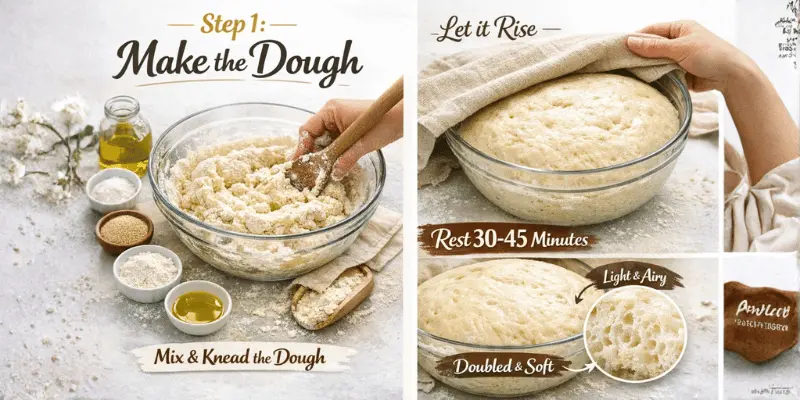
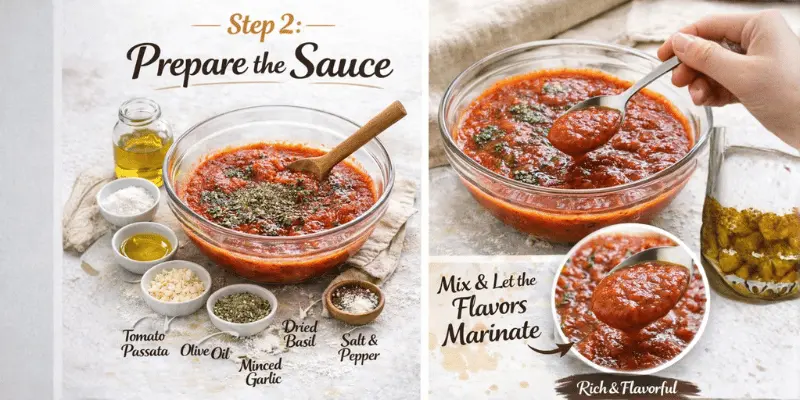
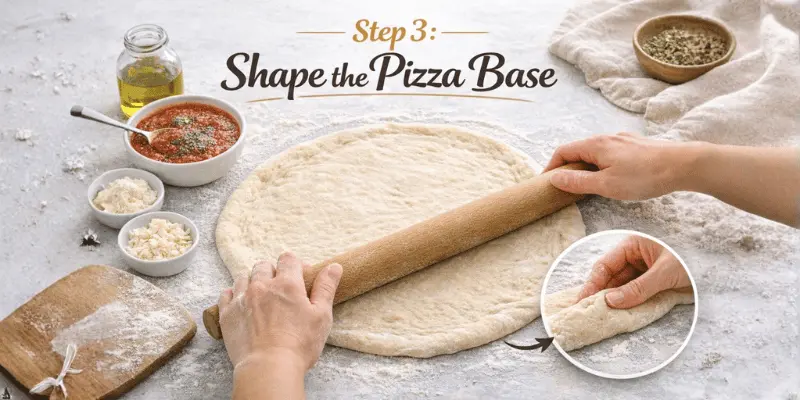

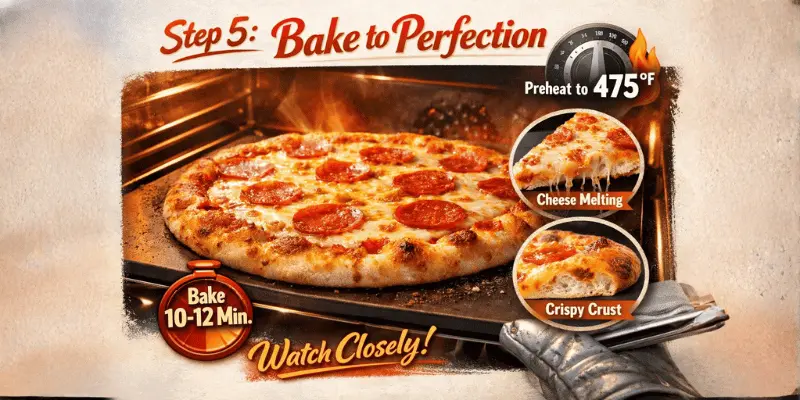
Table of Contents
Ingredients You Will Need
Creating an authentic and tasty pizza margherita requires just a few simple ingredients. Using high-quality and fresh items enhances the flavor significantly.
For the Dough:
- 2 cups all-purpose or strong bread flour
- 1 teaspoon instant or active dry yeast
- 3/4 cup warm water
- 1 teaspoon salt
- 1 tablespoon olive oil
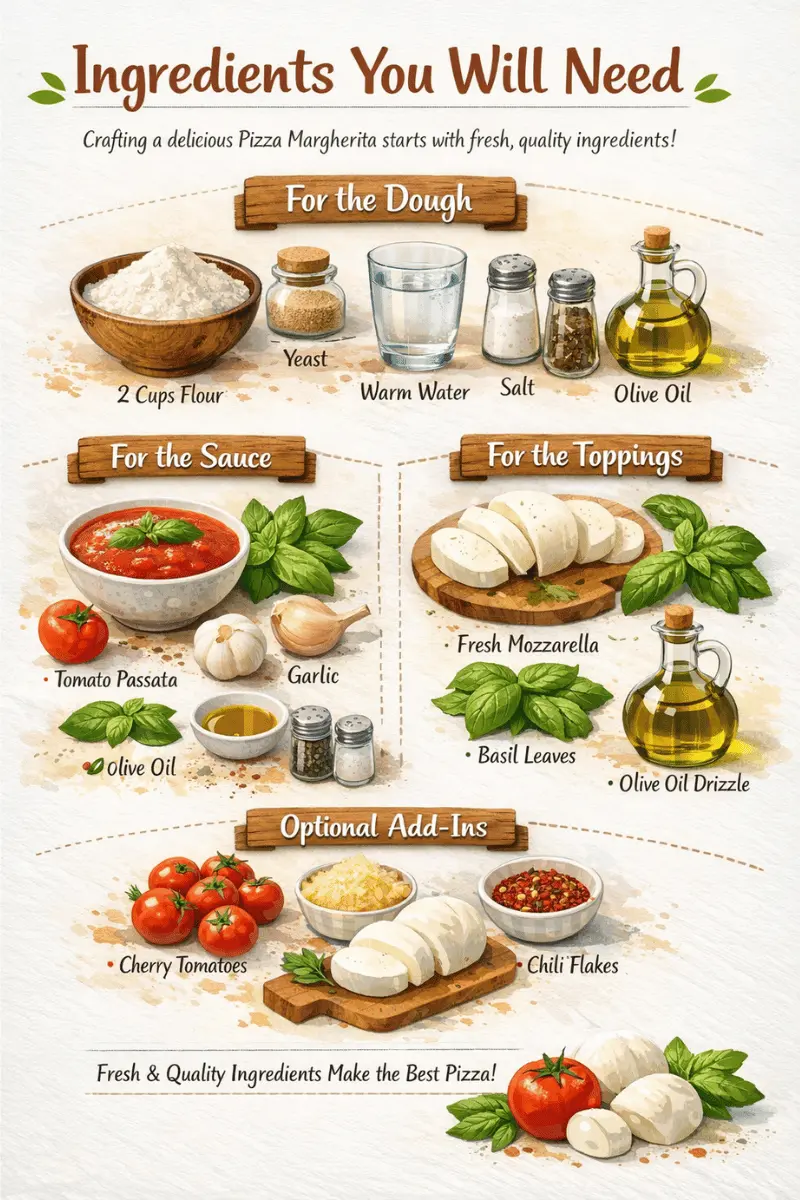
For the Sauce:
- 1/2 cup tomato passata or crushed tomatoes
- 1-2 fresh basil leaves or 1 teaspoon dried basil
- 1 clove garlic, minced (optional)
- 1 teaspoon olive oil
- Salt and pepper to taste
For the Toppings:
- 125g fresh mozzarella, sliced or torn
- Fresh basil leaves for garnish
- Extra-virgin olive oil for drizzling
Optional Add-ins:
- Cherry tomatoes, sliced
- Grated parmesan cheese
- Red chili flakes for a little heat
Using fresh, quality ingredients will make a big difference in taste. Mozzarella should be soft and creamy, tomatoes should be ripe or good-quality passata, and basil should be fragrant for the best flavor.
Tools You’ll Need
Cooking pizza at home is easier when you have the right tools, but you don’t need professional equipment.
- A large mixing bowl for making the dough
- A rolling pin or your hands to shape the dough
- A baking sheet or pizza stone for baking
- Oven or home pizza oven
A pizza stone or hot baking sheet helps create a crispier bottom crust, while a regular baking sheet works perfectly well for a softer crust. Using minimal tools also ensures that this recipe is accessible for everyone, no matter the kitchen setup.
Step-by-Step Recipe Instructions
Making an easy pizza margherita at home is a step-by-step process. Following these instructions carefully will ensure the pizza is flavorful, well-cooked, and visually appealing.
Step 1: Make the Dough
Start by combining the flour, yeast, salt, olive oil, and warm water in a mixing bowl. Mix until a rough dough forms, then knead for 5–7 minutes until smooth and elastic. Allow the dough to rest for 30–45 minutes in a warm place, covered with a cloth or plastic wrap. The dough should double in size and become soft to touch.
Resting the dough is important because it allows the yeast to work, creating bubbles that make the crust light and airy. Skipping this step may result in a denser pizza base. Patience here ensures a perfect, homemade texture.
Step 2: Prepare the Sauce
While the dough is resting, prepare the tomato sauce. In a small bowl, mix tomato passata with olive oil, minced garlic, basil, and a pinch of salt and pepper. Allow the sauce to sit for a few minutes so the flavors blend.
This simple sauce enhances the fresh ingredients on the pizza. The olive oil adds richness, while basil brings a bright, aromatic flavor. You can adjust seasoning according to taste, making it slightly tangy or sweeter depending on preference.
Step 3: Shape the Pizza Base
Once the dough has rested, place it on a floured surface and gently roll or stretch it into a circular or rectangular shape, depending on your pan. Aim for an even thickness to ensure the pizza cooks uniformly.
Shaping by hand is preferred if you want a rustic, homemade feel. Avoid making the dough too thin, as it may tear or cook unevenly. Lightly flouring your surface prevents sticking without altering the dough texture.
Step 4: Add Toppings
Spread a thin layer of the tomato sauce over the pizza base, leaving a small border around the edges. Place slices or torn pieces of mozzarella evenly across the sauce. Finish with fresh basil leaves and a drizzle of olive oil. Optional toppings like cherry tomatoes or parmesan can be added at this stage.
Even distribution of toppings ensures every bite has a balance of cheese, sauce, and flavor. Avoid overloading the pizza, as too many toppings can make it soggy or prevent proper cooking.
Step 5: Bake to Perfection
Preheat your oven to 475°F (245°C) and place the pizza on a hot baking sheet or pizza stone. Bake for 10–12 minutes or until the crust is golden, the cheese is melted, and the edges are slightly crispy. Remove from the oven and allow to cool slightly before slicing.
High heat is key to achieving a crisp yet chewy crust, while melting the mozzarella evenly. Watch the pizza closely in the last few minutes to avoid burning the cheese or crust.
Tips for Best Results
- Use room-temperature ingredients for dough and toppings
- Pat the mozzarella dry to prevent excess moisture
- Preheat the oven fully before baking for an even cook
- Sprinkle flour or cornmeal under the dough to avoid sticking
- Add fresh basil after baking to preserve flavor and color
Following these tips ensures your pizza is soft, flavorful, and visually appealing every time. Even small adjustments, like preheating the oven or drying the cheese, can make a noticeable difference in the final result.
Variations to Try
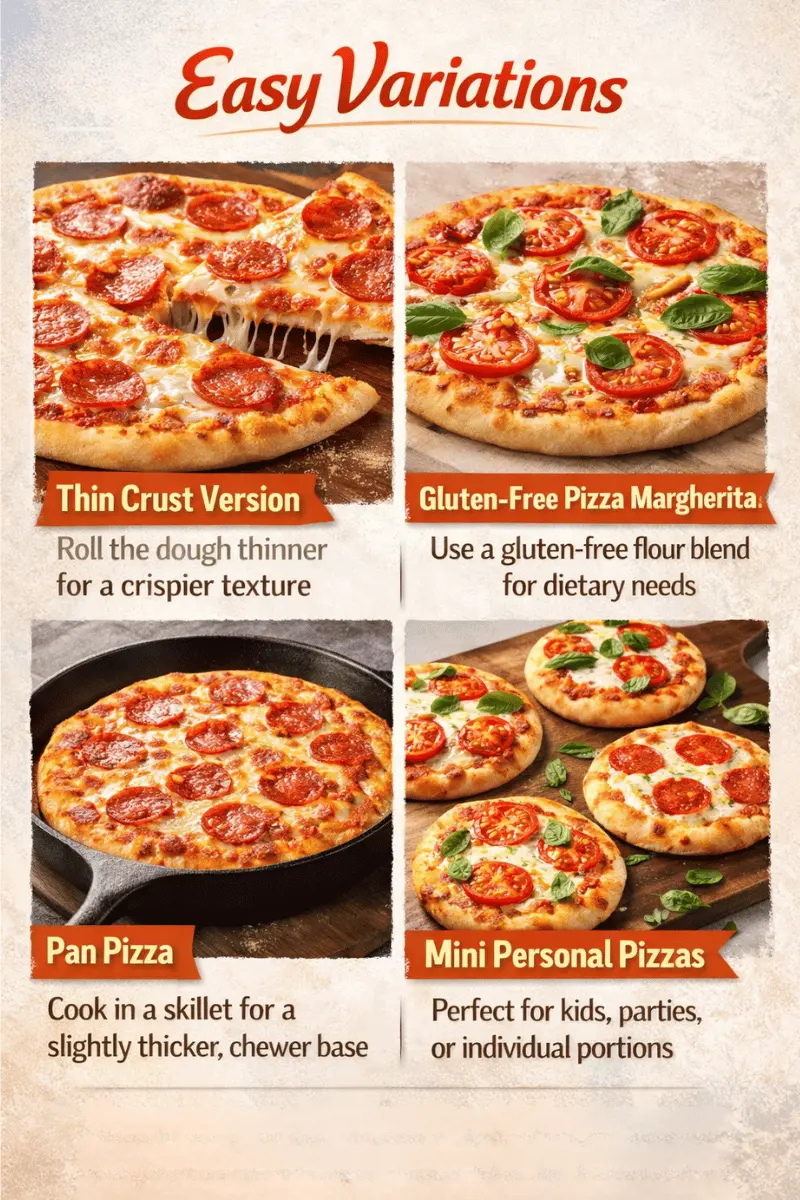
These variations allow flexibility while keeping the core flavors intact. Each option provides a slightly different texture and presentation, making pizza margherita versatile and fun to experiment with at home.
Time-Saving Shortcuts
- Use pre-made pizza dough or naan bread as a base
- Use store-bought tomato sauce for quicker preparation
- Bake on a preheated tray for faster cooking
These shortcuts are useful for busy nights or last-minute meals without compromising taste or quality. They make pizza margherita accessible to anyone, regardless of time constraints.
Nutrition and Storage Guide
A slice of homemade pizza margherita typically contains:
- Calories: ~250–300
- Carbohydrates: ~30g
- Protein: ~12g
- Fat: ~10g
Store leftovers in an airtight container in the refrigerator for up to 2 days. Reheat in a hot oven or skillet to keep the crust crisp rather than using a microwave, which can make it soggy.
Why This Recipe Works for Everyone
This easy pizza margherita recipe works because it balances simplicity with authentic flavor. It’s accessible for beginners, customizable for home cooks, and delivers the fresh taste of a classic Italian pizza. Using high-quality ingredients and following the step-by-step instructions ensures consistent results.
Homemade pizza also allows you to experiment and enjoy the process of cooking. It’s rewarding to see the dough rise, the cheese melt, and the basil add a burst of color, all while creating a dish that your family or guests will love.
FAQ About Easy Pizza Margherita
Here is the list of FAQs:
An easy pizza margherita is a simple, homemade version of the classic Italian pizza. It uses fresh ingredients like tomato sauce, mozzarella cheese, basil, and olive oil. This version is designed to be quick and approachable, making it perfect for home cooks who want delicious pizza without complicated steps.
From start to finish, this recipe takes about 45–60 minutes, including dough resting time. The active preparation and baking time is around 20–25 minutes. It’s a quick way to enjoy a fresh, homemade pizza without spending hours in the kitchen.
Yes, you can use self-rising flour or a no-yeast dough recipe. While the texture will be slightly different from traditional dough, you’ll still get a soft, flavorful base that works well with tomato, mozzarella, and basil.
Fresh mozzarella is the best choice because it melts evenly and has a creamy, mild flavor. Avoid pre-shredded mozzarella with anti-caking agents, as it can prevent smooth melting and affect the texture of the pizza.
Absolutely! A conventional home oven works perfectly. Preheat your oven to a high temperature (around 475°F/245°C) and bake on a hot tray or pizza stone. This helps achieve a golden, slightly crisp crust while keeping the cheese melted and bubbly.
To prevent sogginess, use a thin layer of tomato sauce, pat mozzarella dry, and preheat your baking tray or stone. Baking at a high temperature ensures the crust cooks quickly and stays crisp while the toppings cook evenly.
Yes! You can try thin crust, gluten-free, or pan-style pizzas. Add optional toppings like cherry tomatoes, chili flakes, or parmesan for extra flavor. These variations keep the classic taste while allowing you to customize your pizza according to your preferences.






- Be Respectful
- Stay Relevant
- Stay Positive
- True Feedback
- Encourage Discussion
- Avoid Spamming
- No Fake News
- Don't Copy-Paste
- No Personal Attacks
- Be Respectful
- Stay Relevant
- Stay Positive
- True Feedback
- Encourage Discussion
- Avoid Spamming
- No Fake News
- Don't Copy-Paste
- No Personal Attacks
