Berry Chantilly Cake Recipe That Tastes Like a Bakery Favorite
Published: 17 Feb 2026
Complete recipe in 11 steps with a dedicated picture and detailed text. Enjoy baking, and don’t forget to follow Food Paradise on Pinterest.
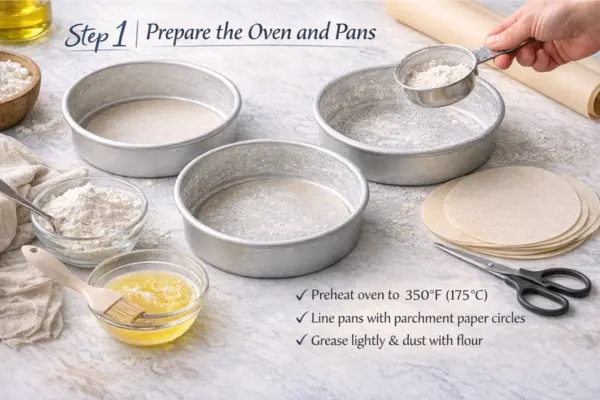
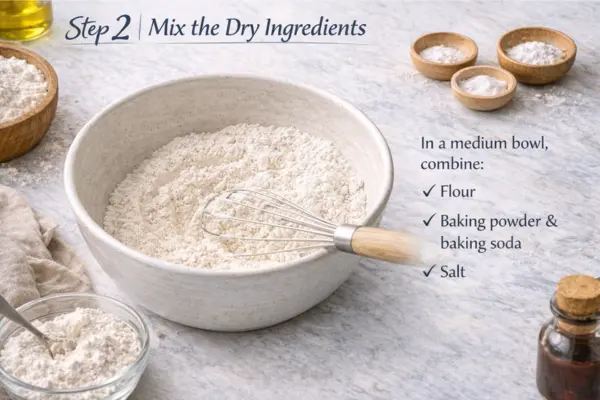
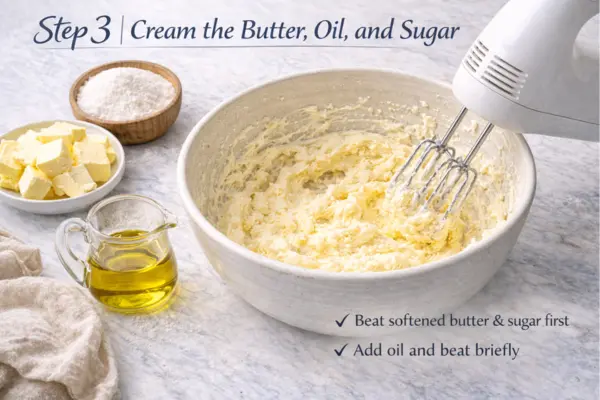
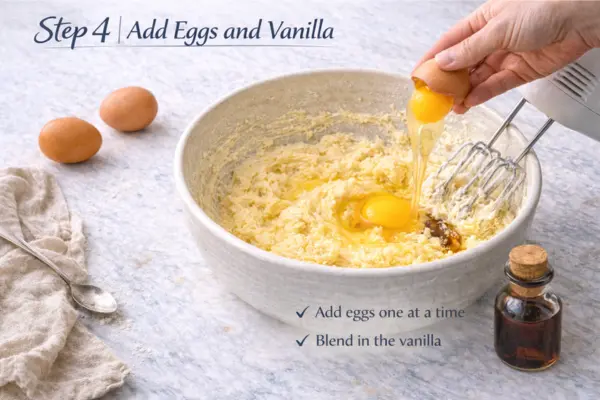
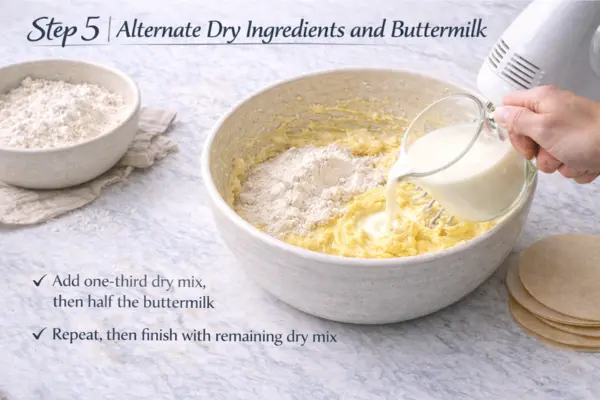
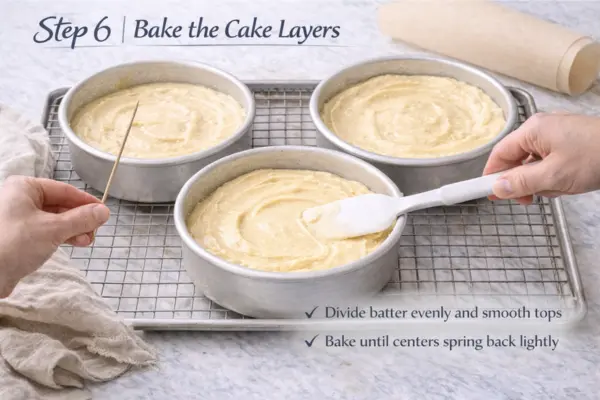
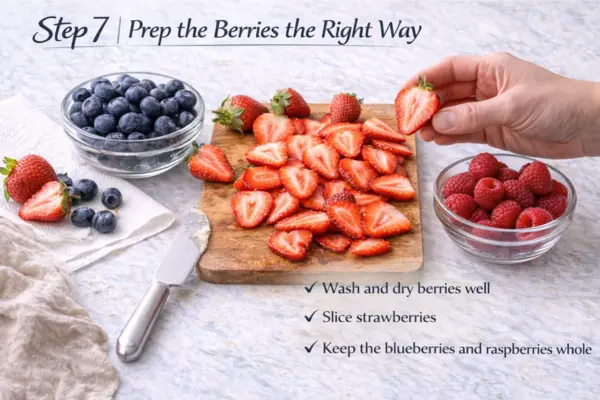
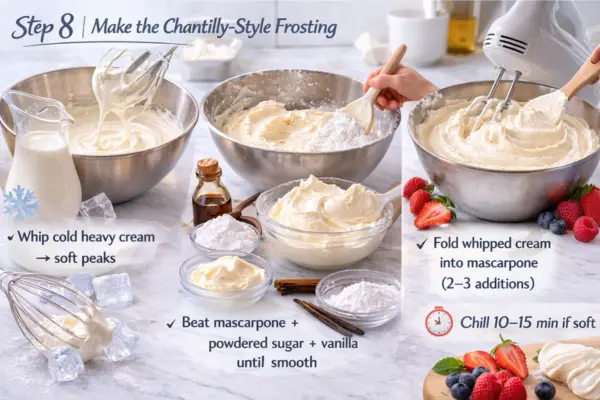
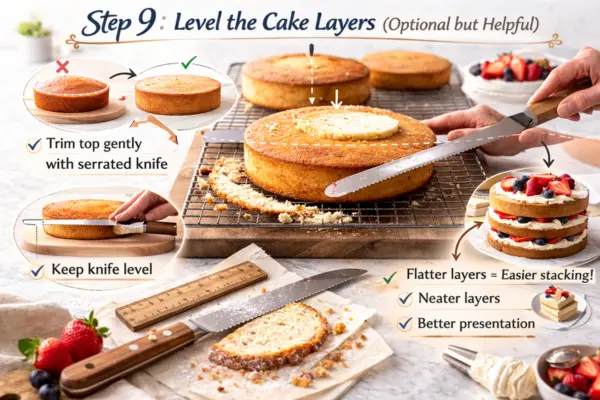
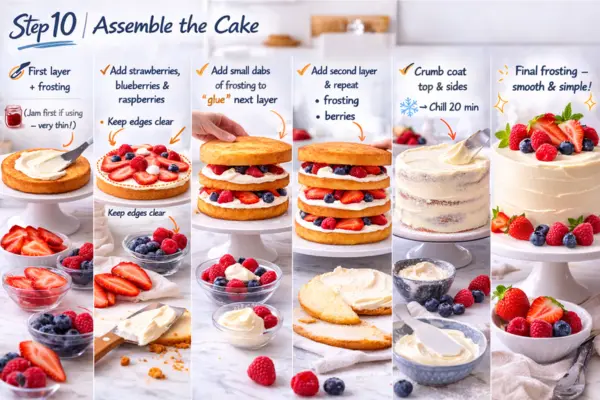
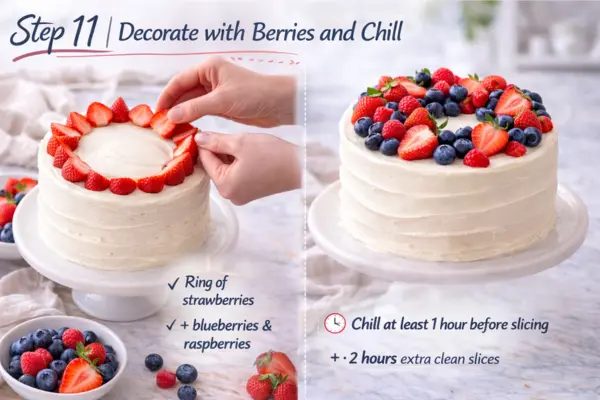
Table of Contents
Ingredients You’ll Need
This recipe uses simple ingredients you can find in most grocery stores. A few small choices, like using good vanilla and ripe berries, will take the flavor up fast.
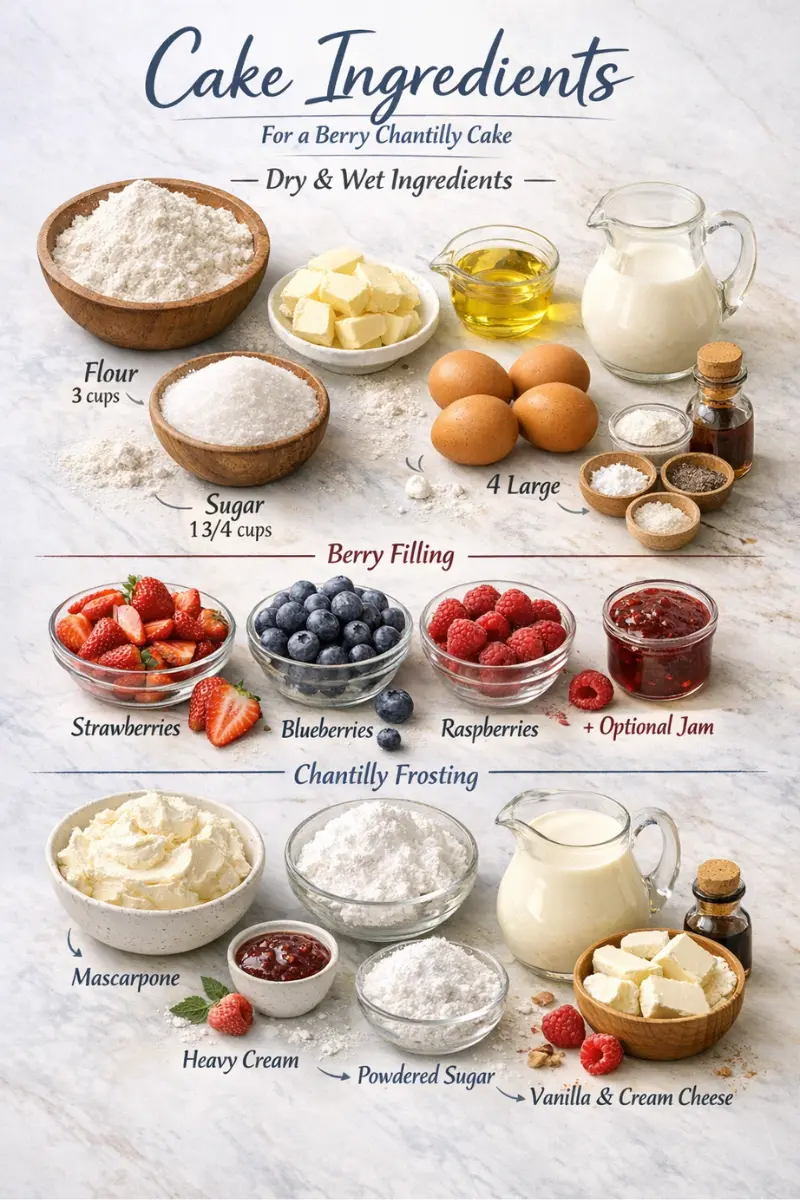
Cake Ingredients (Three 8-Inch Layers or Two 9-Inch Layers)
- All-purpose flour: 3 cups (360 g)
- Baking powder: 1 tablespoon
- Baking soda: 1/2 teaspoon
- Salt: 1/2 teaspoon
- Unsalted butter, softened: 3/4 cup (170 g)
- Neutral oil (like canola or sunflower): 1/2 cup (120 ml)
- Granulated sugar: 1 3/4 cups (350 g)
- Eggs, room temperature: 4 large
- Vanilla extract: 1 tablespoon
- Buttermilk, room temperature: 1 1/2 cups (360 ml)
If you do not have buttermilk, mix 1 1/2 cups milk with 1 1/2 tablespoons lemon juice or vinegar, then let it sit for 10 minutes. It will thicken slightly and work well.
Berry Filling and Topping
- Strawberries: 2 to 2 1/2 cups, washed, dried, and sliced
- Blueberries: 1 to 1 1/2 cups, washed and dried
- Raspberries: 1 to 1 1/2 cups, washed and dried
- Optional: Strawberry jam: 1/3 cup, for a thin layer (adds flavor and helps berries “stick”)
Chantilly-Style Frosting
- Cold heavy cream: 2 1/2 cups (600 ml)
- Mascarpone cheese, cold: 16 oz (450 g)
- Powdered sugar: 1 to 1 1/4 cups (120–150 g), to taste
- Vanilla extract: 2 teaspoons
- Optional: Cream cheese, cold: 4 oz (115 g), for extra structure and a slight tang
Mascarpone is the main star here. The optional cream cheese is helpful if your kitchen is warm or if you want a slightly firmer finish.
Tools and Prep Checklist
A little prep makes this cake feel calm and smooth. You do not need fancy gear, but you do want a few basics ready before you start.
Tools You’ll Use
- 2 or 3 round cake pans (8-inch or 9-inch)
- Parchment paper
- Mixing bowls
- Hand mixer or stand mixer
- Measuring cups and spoons or a kitchen scale
- Rubber spatula
- Wire cooling rack
- Serrated knife (for leveling layers, optional)
- Offset spatula (nice for frosting, optional)
Simple Prep That Prevents Problems
Set your eggs, butter, and buttermilk out about 30 to 45 minutes before baking. Room temperature ingredients blend better and help the cake bake evenly. Line your pans with parchment circles and lightly grease the sides so the layers release cleanly. Wash your berries early and dry them very well, because wet berries can make frosting slide and layers slip.
Step-by-Step Method
This is the core section. Follow these steps in order, and you will get steady cake layers, smooth frosting, and a clean, beautiful finish.
Step 1: Prepare the Oven and Pans
Preheat your oven to 350°F (175°C). Place the oven rack in the middle so the cakes bake evenly. Line the bottoms of your cake pans with parchment paper circles. Lightly grease the sides and dust them with a little flour, then tap out the extra. This helps the layers release without tearing.
If you are using three 8-inch pans, you can bake all three layers at once if your oven fits them with space between. If you are using two 9-inch pans, you may need a few more minutes of bake time because the layers are thicker.
Step 2: Mix the Dry Ingredients
In a medium bowl, whisk together the flour, baking powder, baking soda, and salt. Whisking spreads the leavening evenly. Leavening is what helps the cake rise and stay light. When it is mixed well, your layers bake more evenly and taste more balanced.
Set the bowl aside for now so it is ready when you need it.
Step 3: Cream the Butter, Oil, and Sugar
In a large mixing bowl, beat the softened butter and sugar until the mixture looks pale and fluffy. This usually takes about 2 to 3 minutes with a mixer on medium speed. Then drizzle in the oil and beat again for about 30 seconds. The butter gives flavor, and the oil helps the cake stay moist even after chilling.
Do not rush this step. When you cream well, you build a better base for a soft crumb.
Step 4: Add Eggs and Vanilla
Add the eggs one at a time, mixing after each addition. Scrape down the sides of the bowl so everything blends evenly. Then add the vanilla and mix again briefly.
If the mixture looks slightly curdled, do not worry. It often smooths out once the dry ingredients and buttermilk go in.
Step 5: Alternate Dry Ingredients and Buttermilk
Now you will add the dry mix and buttermilk in parts. Add about one-third of the dry ingredients and mix on low speed just until you do not see dry flour. Add half of the buttermilk and mix gently. Add another third of the dry ingredients, mix gently, then add the remaining buttermilk. Finish with the last third of the dry ingredients and mix just until the batter looks smooth.
Stop mixing as soon as the batter comes together. Overmixing can make cake layers tough, because it develops too much gluten. Gluten is a protein in flour that gives bread its chew, but cake should stay tender.
Step 6: Bake the Cake Layers
Divide the batter evenly between your pans. Smooth the tops with a spatula so the layers bake flat. Bake until the centers spring back lightly when touched and a toothpick comes out clean or with a few moist crumbs.
As a general guide, three 8-inch layers often take about 22–28 minutes, while two 9-inch layers often take about 28–35 minutes. Your oven may vary, so start checking a few minutes early and trust the signs more than the clock.
Let the cakes cool in the pans for 10 minutes. Then turn them out onto a cooling rack, peel off the parchment, and let them cool completely. This part matters. If you frost a warm cake, the frosting will melt and slide.
Step 7: Prep the Berries the Right Way
While the cakes cool, prep your berries. Wash them gently and dry them very well with paper towels. Moisture is the biggest cause of slipping layers in a berry cake.
Slice the strawberries into thin slices. Keep the blueberries and raspberries whole. If any berries look bruised or very soft, set them aside for snacking instead of layering, because they can leak more juice into the frosting.
If you want extra berry flavor, you can use a thin layer of strawberry jam between layers. Warm the jam for a few seconds so it spreads easily, then let it cool before using it.
Step 8: Make the Chantilly-Style Frosting
Cold ingredients are key for stable frosting. Keep the mascarpone cold until you are ready. Chill your mixing bowl and beaters for 10 minutes if your kitchen is warm.
Pour the cold heavy cream into a large bowl and beat it on medium-high speed until you reach soft peaks. Soft peaks mean the cream holds its shape, but the tip bends over when you lift the beater. Stop there for now. If you whip too far, the cream can turn grainy.
In a separate bowl, beat the mascarpone with powdered sugar and vanilla just until smooth. Keep the speed medium-low. Mascarpone can loosen if you beat it too aggressively for too long. If you are using cream cheese, beat it with the mascarpone at this stage until smooth.
Add the whipped cream to the mascarpone mixture in two or three additions. Fold gently with a spatula, or mix on the lowest speed for a few seconds at a time, just until combined. The frosting should look fluffy, smooth, and easy to spread. Taste it and adjust sweetness if needed.
If the frosting feels soft, chill it for 10 to 15 minutes, then stir gently and use it. A short chill can make a big difference.
Step 9: Level the Cake Layers (Optional but Helpful)
If your cake layers are domed in the oven, you can level them for easier stacking. Use a serrated knife and trim the top very gently. Take your time and keep the knife level. You do not need perfect bakery layers, but flatter layers stack more easily and look cleaner.
Step 10: Assemble the Cake
Place the first cake layer on a cake stand or plate. Spread a generous layer of frosting on top. If you are using jam, spread a very thin layer of jam over the cake first, then add the frosting. Keep the jam light so the cake does not slide.
Add a layer of sliced strawberries, then scatter a few blueberries and raspberries. Do not pile berries too high near the edges, because the layers can shift. Add a small dab of frosting in a few spots over the berries to help “glue” the next layer.
Add the second cake layer and repeat: frosting, berries, and a few small dabs of frosting. Then add the final layer on top.
Spread a thin layer of frosting over the top and sides. This is called a crumb coat. A crumb coat traps loose crumbs and gives you a smoother final finish. Chill the cake for 20 minutes so the frosting sets.
After chilling, spread the final layer of frosting over the cake. Keep it smooth and simple. This cake looks best with a clean, soft finish instead of heavy piping.
Step 11: Decorate with Berries and Chill
Decorate the top with fresh berries. Place strawberries in a ring, then fill in with blueberries and raspberries. Keep it balanced so every slice gets a mix.
Chill the cake for at least 1 hour before slicing. This helps the frosting firm up and helps the layers hold steady. If you want extra clean slices, chill for 2 hours.
Pro Tips for a Beautiful, Stable Cake
Small habits make a big difference with this recipe. These tips help you avoid the most common problems and get a cake that looks neat and tastes fresh.
Keep the Frosting Thick and Smooth
Use cold cream and cold mascarpone. If the frosting ever feels loose, chill it for 10 to 15 minutes and stir gently, then continue. Avoid overwhipping the cream. Once cream goes past stiff peaks, it can turn grainy and lose its smooth feel.
Avoid a Soggy Cake
Dry your berries well and use jam lightly. Assemble the cake after the layers are fully cool. Chill the cake after stacking, because a chilled frosting holds the berries in place better.
Get Clean, Pretty Slices
Use a sharp knife and wipe it clean between cuts. A chilled cake slices more cleanly. If the cake is very cold, let it sit at room temperature for about 10 minutes before serving so the cake tastes softer and the vanilla flavor comes through.
Easy Variations You Can Try
This cake is flexible. Once you learn the base method, you can adapt it to fit your event, your schedule, or what berries you have.
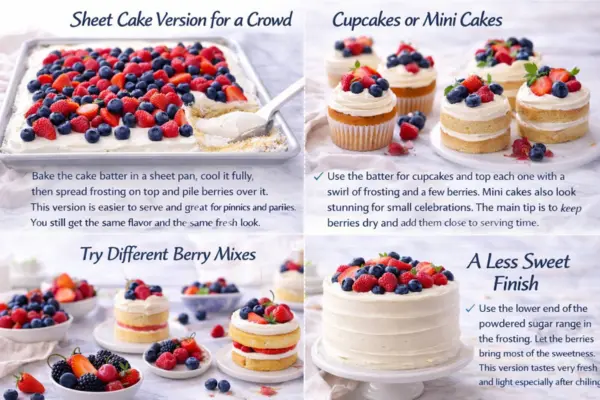
Sheet Cake Version for a Crowd
Bake the cake batter in a sheet pan, cool it fully, then spread frosting on top and pile berries over it. This version is easier to serve and great for picnics and parties. You still get the same flavor and the same fresh look.
Cupcakes or Mini Cakes
Use the batter for cupcakes and top each one with a swirl of frosting and a few berries. Mini cakes also look stunning for small celebrations. The main tip is to keep berries dry and add them close to serving time.
Try Different Berry Mixes
You can use blackberries, cherries, or even sliced peaches when they are in season. Keep the fruit firm and not overly juicy. Softer fruit can still work, but it may shorten how long the cake stays neat.
A Less Sweet Finish
Use the lower end of the powdered sugar range in the frosting. Let the berries bring most of the sweetness. This version tastes very fresh and light, especially after chilling.
Make-Ahead, Storage, and Serving Notes
This cake tastes best when it is fresh, but you can plan ahead without losing quality. The key is separating the steps.
Make-Ahead Plan That Works
Bake the cake layers a day ahead, cool them fully, then wrap them tightly. Store them at room temperature for one day, or refrigerate them if your kitchen is warm. You can also freeze the layers for up to one month. Thaw them wrapped in the fridge overnight.
Make the frosting the day you plan to assemble the cake for the best texture. If you must make it early, keep it chilled and gently stir before using.
Storing the Finished Cake
Because the frosting and berries are perishable, store the finished cake in the fridge. Cover it gently so it does not dry out or pick up fridge smells. It tastes best within 1 to 2 days, because fresh berries soften over time.
Best Way to Serve
For the best flavor, let slices sit at room temperature for about 10 minutes before eating. The frosting stays creamy, and the cake feels softer. Serve with coffee, tea, or a cold glass of milk.
Troubleshooting: Quick Fixes at Home
If something goes a little off, you can still save the cake. These fixes are simple and reliable.
My Frosting Is Runny
This usually happens when ingredients are warm or the cream was not whipped enough. Chill the bowl of frosting for 15 minutes, then beat gently for a few seconds. If it still feels loose, chill again and try once more. Keep the mixer speed low once the frosting is combined.
My Cake Feels Dry
This often comes from overbaking or measuring flour too heavily. Next time, spoon flour into the measuring cup and level it, or use a kitchen scale. For today, you can brush the layers lightly with a simple syrup. Simple syrup is equal parts sugar and water warmed until the sugar dissolves, then cooled. Use a light touch so the cake stays balanced.
My Layers Are Sliding
This comes from juicy berries or soft frosting. Dry berries well, use less fruit in the center area, and chill the cake between layers. Even a 15 to 20 minute chill can lock things in place.
Berry Chantilly Cake FAQ
These quick answers cover the questions that come up most often when people bake this cake at home.
What berries work best?
Strawberries, blueberries, and raspberries are the classic mix because they look bright, taste balanced, and layer well. Choose ripe berries that still feel firm.
Can I use frozen berries?
You can, but frozen berries release a lot more juice as they thaw. That juice can soften the frosting and stain the cake. If you want the cleanest look and best texture, use fresh berries.
Can I make this cake the day before?
Yes, and it often slices even better after a chill. Bake the layers ahead and assemble the cake the day before serving, then keep it covered in the fridge. Add the final berries on top closer to serving time for the freshest look.
Final Thoughts: A Cake That Feels Fresh, Bright, and Special
Berry Chantilly cake brings together the best parts of a celebration dessert and a fresh fruit treat. The cake stays soft, the frosting feels light, and the berries make every slice look and taste alive. Take your time with cooling, keep the frosting cold, and dry your berries well, and you will get a cake you will feel proud to serve.
If you enjoyed this recipe and want more sweet ideas you can make at home, check the homepage for more food recipes and keep baking something delicious.





- Be Respectful
- Stay Relevant
- Stay Positive
- True Feedback
- Encourage Discussion
- Avoid Spamming
- No Fake News
- Don't Copy-Paste
- No Personal Attacks
- Be Respectful
- Stay Relevant
- Stay Positive
- True Feedback
- Encourage Discussion
- Avoid Spamming
- No Fake News
- Don't Copy-Paste
- No Personal Attacks
