Belgian Liege Waffles: The Ultimate Step‑by‑Step Guide to Crispy, Caramelized Perfection
Published: 24 Jan 2026
Complete recipe in 6 steps with a dedicated picture and detailed text. Enjoy the recipe, and don’t forget to follow Food Peradise on Pinterest.
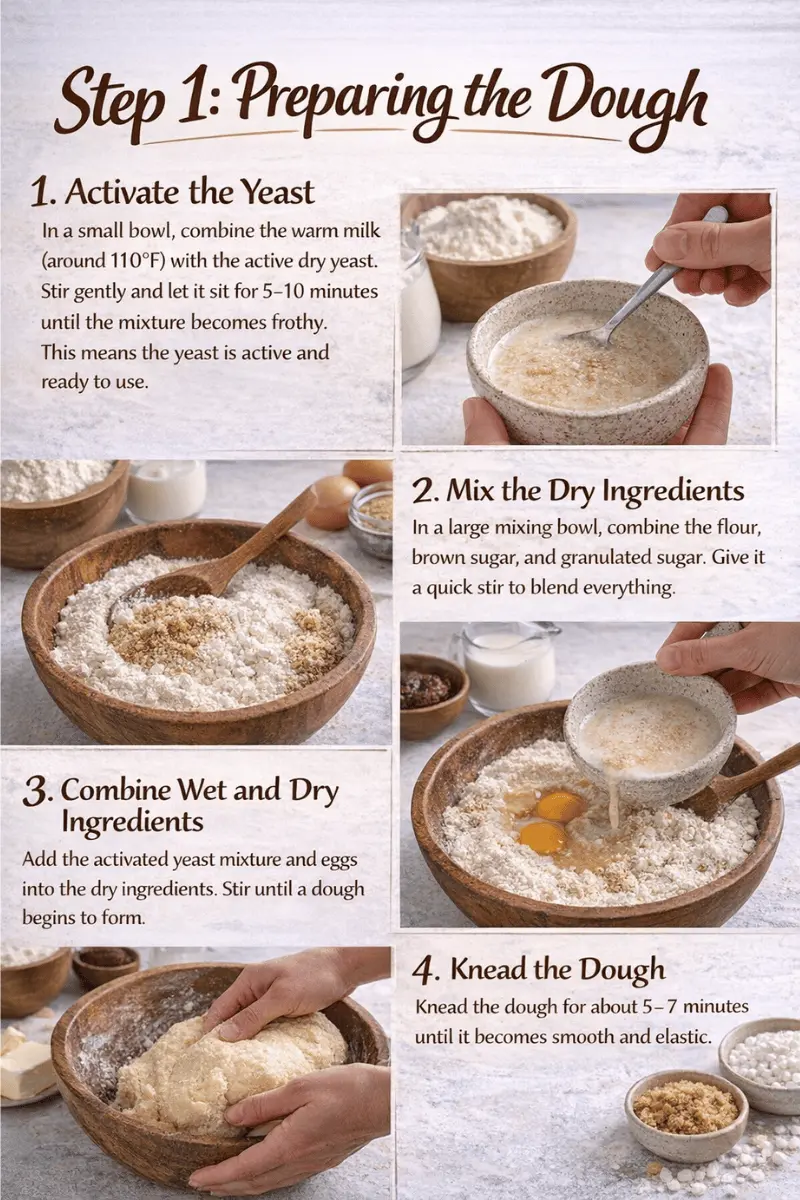
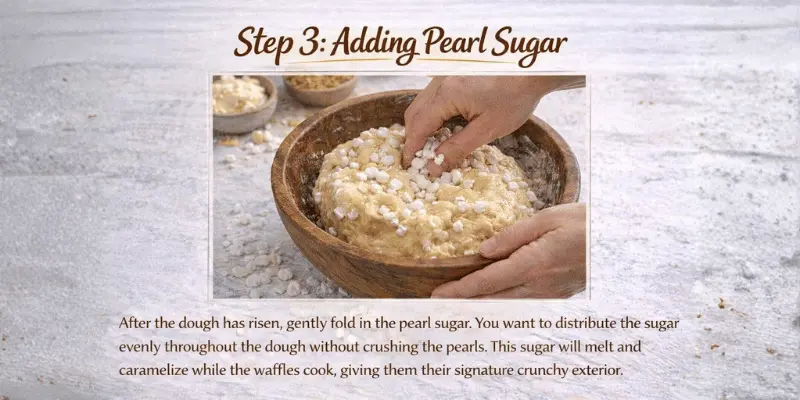



Table of Contents
Ingredients You’ll Need
To make these delicious Belgian Liege waffles, gather the following ingredients:
- 2 cups all-purpose flour (or bread flour for a chewier texture)
- 1/2 cup warm milk
- 2 teaspoons active dry yeast
- 2 large eggs
- 1/2 cup softened butter
- 1/2 cup brown sugar
- 1/2 cup granulated sugar
- 1 teaspoon vanilla extract (optional)
- 1 1/2 cups pearl sugar (this is a key ingredient for caramelizing)
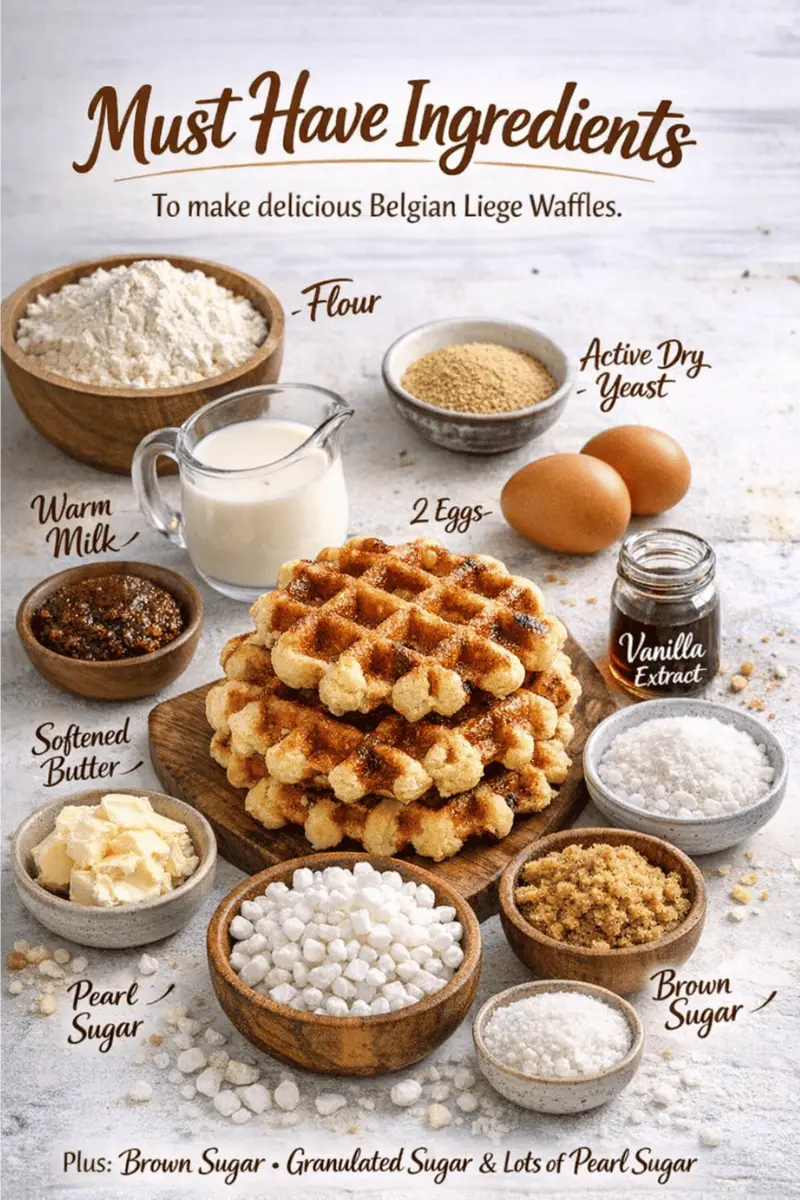
Note: Pearl sugar can be tricky to find, but it’s essential for achieving the right texture. If you can’t find it, you may substitute with coarse sugar, though it won’t have quite the same effect.
History and Origin of Belgian Liege Waffles
Liege waffles trace their origins to the city of Liège, located in the Wallonia region of Belgium. They were originally created by a chef working at the court of Prince-Bishop of Liège in the 18th century. Legend has it that the chef replaced traditional sugar with the pearl sugar that was available in the area, giving the waffles a unique sweetness and texture.
Over time, this recipe became a popular street food, especially in the city of Liège and the surrounding regions. Today, they are enjoyed around the world as a delicious and indulgent snack, loved for their caramelized sugar crunch and rich flavor.
Why You’ll Love This Recipe
This recipe brings you the authentic flavor of Belgian Liege waffles without the need for any fancy tools or ingredients. Here’s why you’ll fall in love with it:
- Authentic Taste: You’ll achieve that crispy caramelized exterior with a soft, chewy center, just like from a Belgian street vendor.
- Simple to Make: With the right ingredients and a bit of patience, you can make these waffles at home without any special skills.
- Versatile: Liege waffles are perfect for breakfast, dessert, or a snack. Top them with anything from whipped cream to fresh fruit or chocolate syrup.
Equipment You’ll Need
Here’s a quick list of equipment needed for this recipe:
- Waffle iron: Ideally, use a Belgian waffle iron for the best results.
- Stand mixer with dough hook or large bowl for kneading
- Measuring cups and spoons
- Plastic wrap or a clean cloth for covering the dough while it rises
Having the right equipment ensures the dough rises properly and the waffles cook evenly.
Step‑by‑Step Recipe Method
Please follow these steps
Step 1: Preparing the Dough
- Activate the Yeast: In a small bowl, combine the warm milk (around 110°F) with the active dry yeast. Stir gently and let it sit for 5–10 minutes until the mixture becomes frothy. This means the yeast is active and ready to use.
- Mix the Dry Ingredients: In a large mixing bowl, combine the flour, brown sugar, and granulated sugar. Give it a quick stir to blend everything.
- Combine Wet and Dry Ingredients: Add the activated yeast mixture and eggs into the dry ingredients. Stir until a dough begins to form. You can use a stand mixer with a dough hook, or mix by hand.
- Knead the Dough: Knead the dough for about 5–7 minutes until it becomes smooth and elastic. If using a stand mixer, set it on low and knead for the same amount of time.
Step 2: First Rise
Once the dough is ready, cover it with a clean cloth or plastic wrap. Let it rise in a warm place for about 1–1.5 hours, or until it doubles in size. This step is essential for creating the proper texture.
Step 3: Adding Pearl Sugar
After the dough has risen, gently fold in the pearl sugar. You want to distribute the sugar evenly throughout the dough without crushing the pearls. This sugar will melt and caramelize while the waffles cook, giving them their signature crunchy exterior.
Step 4: Shaping and Resting
Divide the dough into small, evenly sized portions—about the size of a golf ball. Let them rest for 10 minutes while you preheat your waffle iron.
Step 5: Preheating the Waffle Iron
Set your waffle iron to medium-high heat. If you’re using a Belgian waffle iron, ensure it’s fully heated before adding the dough. Grease the iron lightly with cooking spray or a little butter.
Step 6: Cooking the Waffles
Place one dough ball into the waffle iron and close it. Cook the waffles for about 3–5 minutes, or until golden brown. The sugar will caramelize, creating that signature crispy, crunchy exterior.
Step 7: Cooling Briefly Before Serving
Once cooked, let the waffles cool on a wire rack for a minute or two. This allows the sugar to harden and gives the waffles the perfect texture.

Tips for Success
- Avoid Overcrowding the Waffle Iron: Don’t overcrowd the iron with too much dough, as it can overflow or cook unevenly.
- Watch the Temperature: Ensure the waffle iron is at the right temperature to avoid burning the sugar.
- Rest the Dough: Make sure the dough rests properly after kneading and before adding sugar. This helps the flavors develop.
Serving Suggestions
Liege waffles are delicious on their own, but here are a few ideas to take them to the next level:
- Top with whipped cream and fresh berries for a sweet treat.
- Drizzle with chocolate sauce or caramel for an indulgent dessert.
- Dust with powdered sugar for a classic touch.
- Pair them with your favorite morning coffee or a glass of fresh orange juice.
Storage and Freezing
These waffles can be stored in an airtight container at room temperature for up to 2 days. If you have leftovers, freeze them for up to 1 month. Simply reheat them in a toaster or oven for a few minutes to restore their crispiness.
Frequently Asked Questions
- Can I use regular sugar instead of pearl sugar?
While regular sugar won’t caramelize in the same way, you can use it if necessary. For the best results, pearl sugar is recommended. - What should I do if my dough doesn’t rise?
Ensure the yeast is fresh and that the milk wasn’t too hot. Try placing the dough in a warmer spot to help with rising. - Can I make the dough in advance?
Yes, you can make the dough a day ahead, refrigerate it, and let it come to room temperature before adding the sugar and cooking.
Conclusion
Making homemade Belgian Liege waffles is a rewarding experience, and with this step-by-step guide, you can enjoy their rich, caramelized sweetness right in your own kitchen. Whether served for breakfast, dessert, or a treat, these waffles will surely impress. Don’t forget to check out our homepage for more delicious food recipes!






- Be Respectful
- Stay Relevant
- Stay Positive
- True Feedback
- Encourage Discussion
- Avoid Spamming
- No Fake News
- Don't Copy-Paste
- No Personal Attacks
- Be Respectful
- Stay Relevant
- Stay Positive
- True Feedback
- Encourage Discussion
- Avoid Spamming
- No Fake News
- Don't Copy-Paste
- No Personal Attacks
