Step By Step Recipe For Layered Lemon Cake Cream With Cheese Frosting
Published: 15 Mar 2026
Here is your one stop recipe for enjoying layered lemon cake.
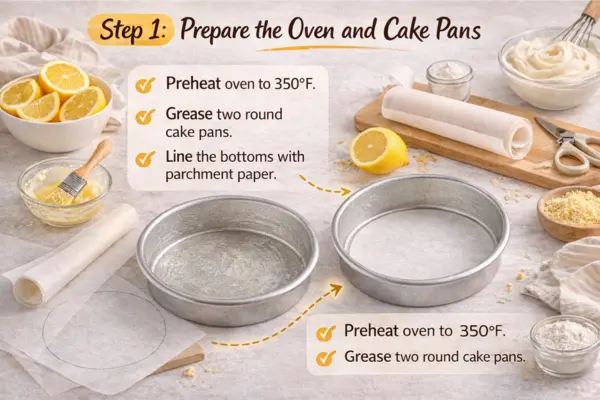
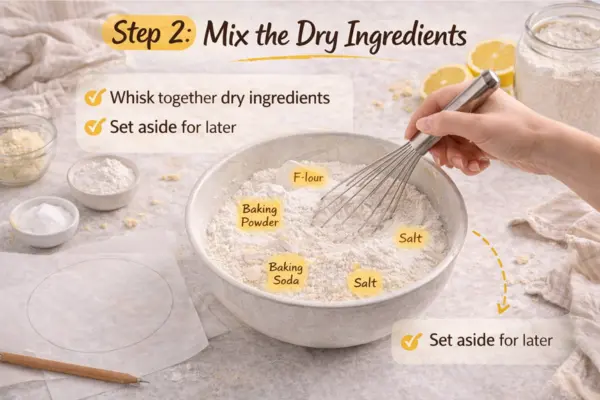
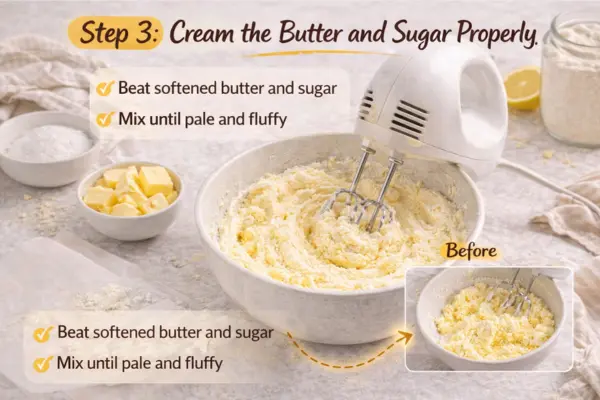

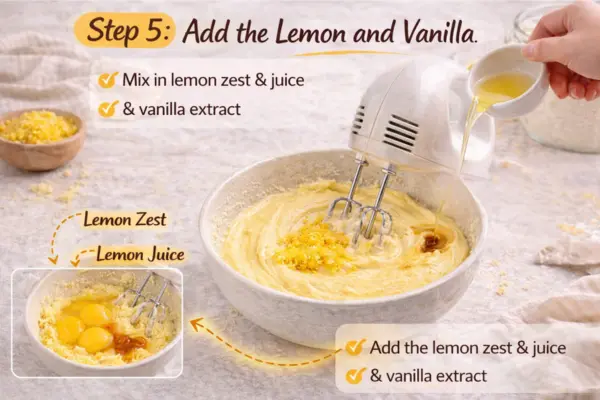
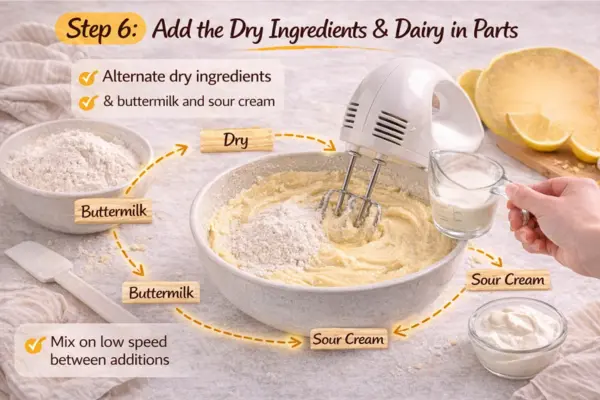
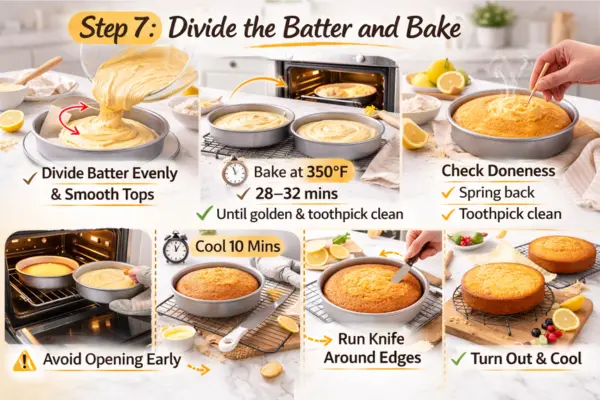
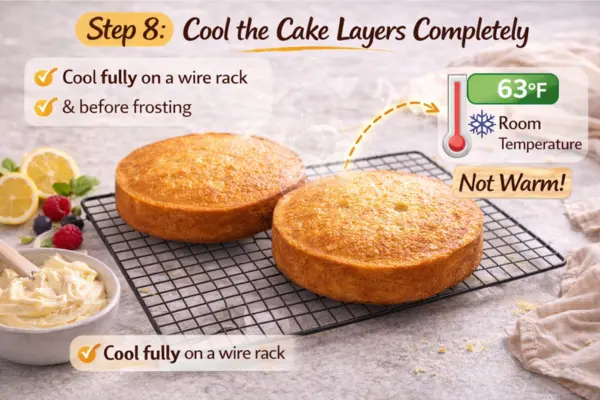
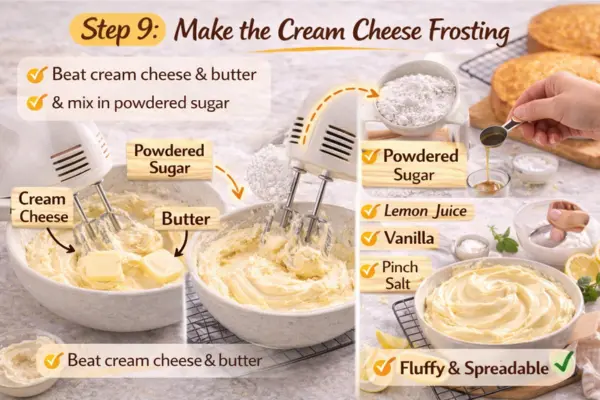
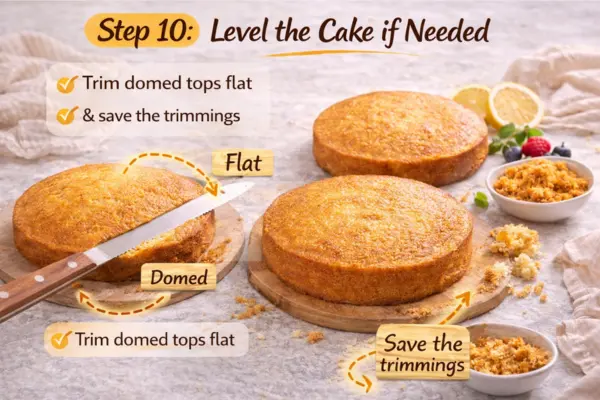
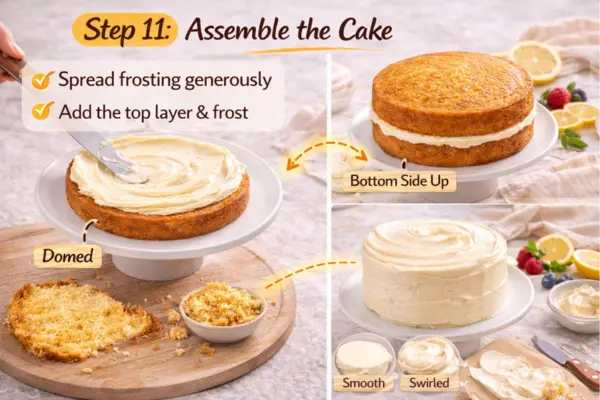
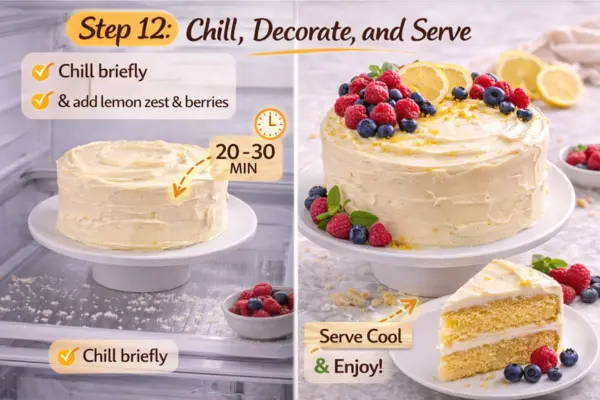
Table of Contents
Ingredients With Exact Amount
Baking goes best when your ingredients are measured carefully and prepared before you begin. That simple habit makes the mixing smoother and helps the cake bake evenly. For the best flavor, use fresh lemons rather than bottled juice. Fresh zest adds the deep lemon taste that bottled juice cannot give, and it also helps the frosting taste brighter.
Ingredients for the lemon cake layers
- 3 cups all-purpose flour
- 2 1/2 teaspoons baking powder
- 1/2 teaspoon baking soda
- 1/2 teaspoon salt
- 1 cup unsalted butter, softened
- 1 3/4 cups granulated sugar
- 4 large eggs, at room temperature
- 1 tablespoon fresh lemon zest
- 1/4 cup fresh lemon juice
- 1 teaspoon vanilla extract
- 1 cup buttermilk, at room temperature
- 1/2 cup sour cream, at room temperature
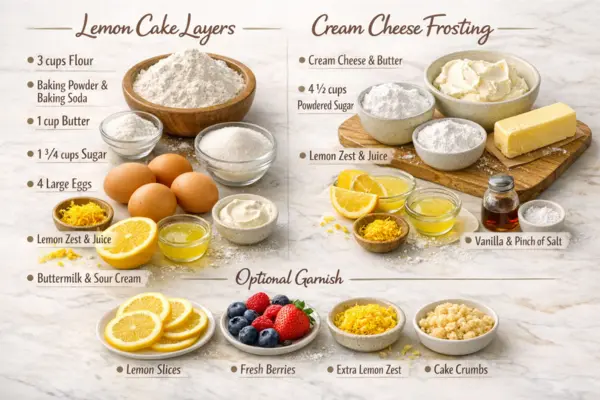
Ingredients for the cream cheese frosting
- 8 ounces cream cheese, softened
- 1 cup unsalted butter, softened
- 4 1/2 cups powdered sugar
- 1 tablespoon fresh lemon zest
- 2 tablespoons fresh lemon juice
- 1 teaspoon vanilla extract
- 1 small pinch salt
Optional garnish
- Thin lemon slices
- Extra lemon zest
- Fresh berries
- A few soft cake crumbs for decoration
Kitchen Tools You’ll Need
Before you start, take a minute to prepare your tools. That small bit of planning makes baking feel calmer and helps you move through each step without rushing. You do not need fancy equipment, but a few basic tools will make the cake easier to bake and assemble neatly.
Helpful tools
- Two 8-inch or 9-inch round cake pans
- Mixing bowls
- Hand mixer or stand mixer
- Measuring cups and spoons
- Whisk
- Rubber spatula
- Zester or fine grater
- Cooling rack
- Offset spatula or butter knife
- Parchment paper
Step by Step Recipe Method
This is the heart of the recipe, and it is where small details make the biggest difference. Take your time, follow the steps in order, and do not rush the cooling stage. A layered cake turns out best when the batter is mixed gently, the layers are baked evenly, and the frosting is spread only after the cake is fully cool.
Step 1: Prepare the oven and cake pans
Start by preheating your oven to 350°F. While the oven heats, grease two round cake pans well. Then line the bottoms with parchment paper. This extra step helps the cakes release cleanly after baking and protects the bottom from sticking. If you have ever had a soft cake break while turning it out of the pan, parchment paper is one of the easiest fixes.
Set the prepared pans aside on the counter so they are ready as soon as your batter is mixed. Once baking powder and baking soda are in the batter, it is always best to get the pans into the oven without delay.
Step 2: Mix the dry ingredients
In a medium bowl, whisk together the flour, baking powder, baking soda, and salt. Whisking does more than combine them. It helps spread the raising ingredients evenly through the flour, which supports an even rise in the oven.
Set this bowl aside after mixing. Keeping the dry ingredients ready before you start creaming the butter makes the whole process smoother and helps prevent overmixing later.
Step 3: Cream the butter and sugar properly
In a large mixing bowl, beat the softened butter and granulated sugar until the mixture looks pale and fluffy. This usually takes about 3 to 5 minutes with a hand mixer or stand mixer. Do not rush this part. Creaming butter and sugar well adds air to the batter, and that helps give the finished cake a lighter texture.
You should notice a visible change in the mixture. It will look smoother, lighter in color, and more expanded than when you started. If the butter is still too cold, it will not cream properly, so make sure it is softened before you begin.
Step 4: Add the eggs one at a time
Add the eggs one at a time, beating well after each addition. This helps them mix in fully and keeps the batter smooth. If you add all the eggs at once, the mixture can look uneven and may not blend as well.
After the eggs are mixed in, scrape down the sides and bottom of the bowl with a spatula. This simple habit keeps the batter even and makes sure no heavy butter mixture is left behind at the bottom.
Step 5: Add the lemon and vanilla
Now mix in the fresh lemon zest, fresh lemon juice, and vanilla extract. The zest is where much of the lemon flavor lives, so do not skip it. Lemon juice adds brightness, while vanilla rounds out the flavor and softens the sharp edge of the citrus.
At this stage, the batter may look slightly looser than before. That is normal. The mixture should still look smooth and creamy.
Step 6: Add the dry ingredients and dairy in parts
In a separate bowl or measuring jug, have your buttermilk and sour cream ready. Add the dry ingredient mixture to the batter in three parts, alternating with the buttermilk and sour cream. Begin with the dry ingredients and end with the dry ingredients.
Mix on low speed just until each addition disappears into the batter. This matters more than many home bakers realize. Overmixing after flour is added can make the cake dense instead of soft. Trusted lemon cake methods regularly recommend acidic dairy like buttermilk and sour cream because they help keep the crumb tender and moist.
When the batter is fully mixed, it should look smooth, thick, and easy to spoon into the pans. Stop mixing as soon as everything is combined.
Step 7: Divide the batter and bake
Divide the batter evenly between the prepared pans. Smooth the tops gently with a spatula so the layers bake as evenly as possible. Place the pans in the preheated oven and bake for about 28 to 32 minutes, or until the tops spring back lightly when touched and a toothpick inserted in the center comes out clean.
Avoid opening the oven too early. A sudden drop in heat can affect how the cake rises. Once baked, place the pans on a cooling rack and let them rest for about 10 minutes. Then run a knife around the edges and turn the cakes out carefully.
Step 8: Cool the cake layers completely
After removing the cakes from the pans, let them cool fully on a rack. This step is not optional. If the layers are even slightly warm, the frosting can soften too much and slide around when you try to stack the cake.
A fully cooled cake is easier to handle, easier to frost, and much more likely to hold its shape neatly. If you want to speed things up, you can let the layers cool at room temperature and then chill them for a short time before frosting.
Step 9: Make the cream cheese frosting
In a large bowl, beat the softened cream cheese and softened butter together until completely smooth. There should be no lumps. Once smooth, add the powdered sugar gradually, mixing on low speed at first so it stays in the bowl instead of flying out.
When the sugar is mostly mixed in, add the lemon zest, lemon juice, vanilla extract, and pinch of salt. Beat again until the frosting is creamy, fluffy, and easy to spread. Lemon cake recipes from trusted baking sources often use both lemon juice and zest in the frosting so it tastes fresh and tangy, not just sweet.
If the frosting feels too soft, chill it for 15 to 20 minutes before using it. If it feels too thick, let it sit at room temperature for a few minutes and beat again briefly.
Step 10: Level the cake if needed
Look at the tops of the cake layers. If they baked with a dome shape, trim that gently with a long serrated knife so the layers sit flat. Flat layers make stacking easier and keep the finished cake from leaning.
Save the trimmed cake pieces if you like. You can crumble a few on top of the frosted cake as decoration.
Step 11: Assemble the cake
Place one cake layer on your serving plate or cake stand. Spread a generous amount of cream cheese frosting over the top in an even layer. Use an offset spatula or butter knife to push the frosting close to the edges.
Set the second cake layer on top, bottom side facing up if you want a flatter finish. Then spread frosting over the top and around the sides. You can go for a smooth finish or create soft swirls for a more homemade look. Both styles work beautifully.
Step 12: Chill, decorate, and serve
Once the cake is frosted, chill it for 20 to 30 minutes. This helps the frosting set and gives you cleaner slices. Before serving, you can decorate with extra lemon zest, thin lemon slices, or fresh berries.
For the best texture, serve the cake slightly cool or let it sit out for a short time before slicing. Cream cheese frosting is best kept refrigerated, and food safety guidance recommends not leaving it at room temperature for more than about two hours.
Variations in the Recipe
One of the best things about this cake is how easy it is to adapt. The base recipe is dependable, and once you make it once, you can shape it into a version that fits your taste or occasion. Many lemon cake recipes are also adapted into different pan sizes, berry-filled versions, or even cakes brushed with lemon syrup for extra moisture and stronger citrus flavor.
Easy ways to change the recipe
- Add a thin layer of lemon curd between the cake layers for more lemon flavor
- Fold in fresh blueberries or raspberries for a fruitier finish
- Bake the batter as a 9×13-inch cake for simpler serving
- Divide it into three thinner layers for a taller celebration cake
- Brush the warm cake layers lightly with lemon syrup for added moisture
- Pipe extra frosting on top for a more decorative finish
- Turn the same recipe idea into cupcakes for parties or small servings
Mistakes to Avoid
Even a good recipe can go wrong if a few common mistakes slip in. The good news is that most of them are easy to prevent. The goal is simple: keep the cake tender, keep the frosting smooth, and keep the lemon flavor fresh and balanced.
Common mistakes home bakers should watch for
- Using bottled lemon juice instead of fresh lemons
- Forgetting the zest, which adds much of the real lemon flavor
- Mixing the batter too long after adding the flour
- Using cold butter, eggs, or cream cheese
- Frosting the cake before the layers cool completely
- Adding too much lemon juice to the frosting and making it too loose
- Overbaking the layers, which dries out the cake
- Measuring flour too heavily instead of lightly and evenly
Fresh lemons, gentle mixing, and room temperature ingredients are all strongly emphasized across well-tested lemon cake recipes because they help create a lighter cake and a better frosting texture.
Serving Suggestions
This cake is easy to dress up or keep simple. If you are serving it after dinner, it pairs well with tea or coffee. For a fresher dessert table, serve it with berries on the side. If you are making it for a party, decorate the top with lemon slices and a little extra zest so guests can see the flavor before they take a bite.
Good serving ideas
- Serve with hot tea or coffee
- Add strawberries, raspberries, or blueberries on the side
- Top each slice with a little extra lemon zest
- Chill briefly before slicing for cleaner layers
- Let slices stand a few minutes before eating for the softest texture
Storage Tips
Because the frosting contains cream cheese, this cake should be stored in the refrigerator. Cover the cake well so it does not dry out. It will keep nicely for about 4 days, and many people find the flavor is even better after the cake has rested for several hours.
Best ways to store it
- Refrigerate the frosted cake in a covered container
- Let slices sit out briefly before serving for a softer bite
- Freeze unfrosted cake layers tightly wrapped if making ahead
- Freeze frosted slices after the frosting has firmed up if you want ready-made portions
Food safety guidance and recipe storage advice both support chilling cakes with cream cheese frosting and limiting room temperature time during serving.
Conclusion
This layered lemon cake cream with cheese frosting is the kind of homemade dessert that feels cheerful from the first slice to the last. The cake layers are soft, the lemon flavor is fresh and clear, and the frosting gives just the right creamy finish. It looks special, but the steps are practical enough for any home baker who is willing to take their time and follow the method carefully.
If you want a cake that tastes bright, rich, and memorable without feeling too heavy, this recipe deserves a place in your kitchen. And when you are ready for your next bake, check the homepage for more food recipes and fresh ideas to keep your table full of something delicious.
FAQs Section
This section answers the questions many home bakers ask before making a layered lemon cake for the first time. A few simple details can make the process easier and help you get a better result.
Can I make this cake one day ahead?
Yes, and it often works very well that way. You can bake and frost the cake a day ahead, then keep it covered in the refrigerator. The flavor settles nicely, and the cake slices beautifully the next day.
Can I use 9-inch cake pans instead of 8-inch pans?
Yes, you can. The layers will be a little wider and slightly less tall, and they may bake a bit faster. Keep an eye on them during the last few minutes of baking. Trusted lemon cake recipes often include alternate pan size guidance for this reason.
Can I make the frosting less sweet?
Yes. Start with a little less powdered sugar, then beat and taste as you go. Just keep in mind that powdered sugar also helps the frosting hold its shape, so do not reduce it too much.
Why did my cake turn out dry?
Dry cake usually comes from one of three things: too much flour, overbaking, or overmixing. Measure carefully, check the cake early, and stop mixing as soon as the batter comes together.
Can I add lemon curd between the layers?
Yes. A thin layer of lemon curd between the cake layers is a lovely addition and gives the cake a stronger lemon flavor. Just do not spread it too thickly, or the layers may slide.
Do I really need fresh lemons?
Yes, fresh lemons make a big difference here. Strong lemon cake recipes consistently rely on fresh lemon juice and especially fresh zest for the brightest flavor. Bottled juice does not give the same result.
Can I turn this recipe into cupcakes?
Yes, this flavor works very well as cupcakes. Fill the liners about two-thirds full, bake until the centers spring back lightly, and frost after they cool completely.




- Be Respectful
- Stay Relevant
- Stay Positive
- True Feedback
- Encourage Discussion
- Avoid Spamming
- No Fake News
- Don't Copy-Paste
- No Personal Attacks
- Be Respectful
- Stay Relevant
- Stay Positive
- True Feedback
- Encourage Discussion
- Avoid Spamming
- No Fake News
- Don't Copy-Paste
- No Personal Attacks
