Complete Recipe For Homemade Chocolate Cake
Published: 10 Mar 2026
Lets start with ingredients, followed by step 1 to the homemade chocolate cake recipe.
Ingredients with Exact Amount
The ingredients below are divided into the cake and the frosting so the process stays easy to follow. Measure everything before you begin. This small step saves time and helps you move through the recipe without stress.
For the Chocolate Cake
- 2 cups all-purpose flour
- 2 cups granulated sugar
- 3/4 cup unsweetened cocoa powder
- 2 teaspoons baking powder
- 1 1/2 teaspoons baking soda
- 1 teaspoon salt
- 2 large eggs
- 1 cup buttermilk
- 1/2 cup vegetable oil
- 2 teaspoons vanilla extract
- 1 cup hot coffee or hot water
For the Chocolate Frosting
- 1 cup unsalted butter, softened
- 3 1/2 cups powdered sugar
- 1/2 cup unsweetened cocoa powder
- 1/4 cup heavy cream or whole milk
- 2 teaspoons vanilla extract
- 1 pinch salt
Optional Garnishes
- Chocolate shavings
- Fresh berries
- Sprinkles
- Chocolate curls
Step by Step Recipe Method
This is the heart of the recipe, and it is where good results begin. Follow each step in order and do not rush. Chocolate cake is simple to make, but the small details matter. Good measuring, gentle mixing, and proper cooling will give you the best texture and flavor.
Step 1: Prepare the Oven and Cake Pans
Start by preheating your oven to 350°F or 175°C. It is important to let the oven fully heat before the pans go in, because a cake needs steady heat from the first minute to rise properly. While the oven is heating, grease two 9-inch round cake pans well. After that, line the bottom of each pan with a circle of parchment paper. This extra step helps the cakes release easily and keeps the layers looking neat.
If you skip pan preparation, the cake can stick and break when you try to remove it. That is frustrating, especially after baking it carefully. A few minutes spent greasing and lining the pans is always worth it.
Step 2: Combine the Dry Ingredients
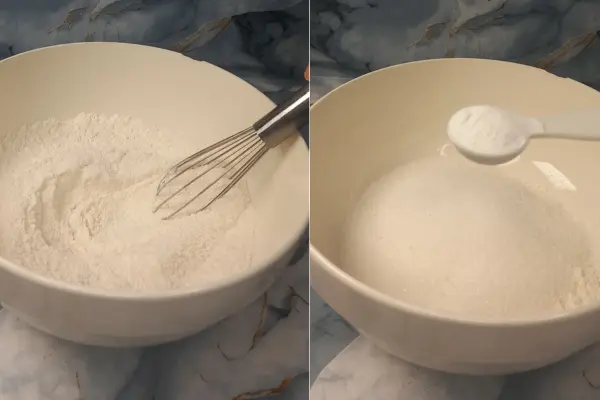
Take a large mixing bowl and add the flour, granulated sugar, cocoa powder, baking powder, baking soda, and salt. Whisk everything together until it looks even in color and texture. Cocoa powder often has small lumps, so take a little extra time here to break them up.
This step matters more than many people think. When the dry ingredients are mixed well at the start, the cake bakes more evenly. You do not want one part of the batter to have too much baking soda while another part has too little. A good whisking gives you a smoother batter and a more even rise.
Step 3: Add the Wet Ingredients
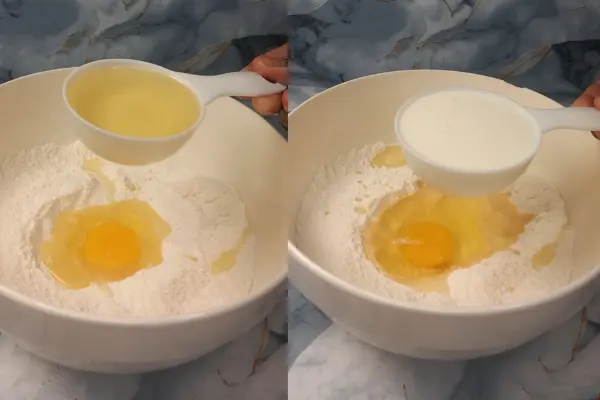
Now add the eggs, buttermilk, vegetable oil, and vanilla extract to the bowl of dry ingredients. Use a hand mixer on low speed, a stand mixer on low, or a whisk if you prefer to mix by hand. Mix until the ingredients come together and no dry flour pockets remain.
At this stage, the batter will begin to look thick and chocolatey. That is exactly what you want. Do not overmix. Once the ingredients are combined, stop and scrape down the sides of the bowl with a spatula. Overmixing can make the cake less tender, and the goal here is a soft crumb.
Step 4: Add the Hot Coffee or Hot Water
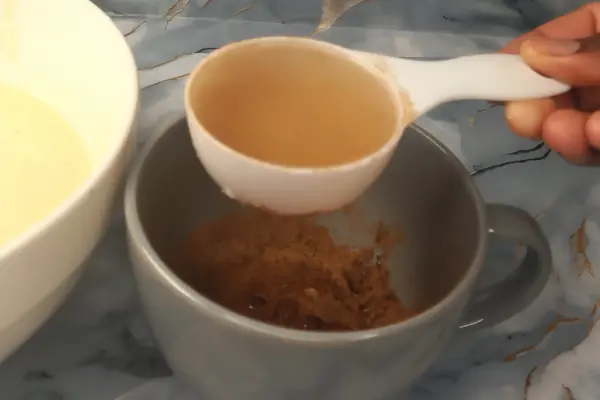
Slowly pour in the hot coffee or hot water while mixing on low speed or stirring gently by hand. The batter will become thinner than many cake batters, but do not worry. This is normal for this recipe. That thin batter is one reason the cake bakes up moist and soft.
This step is one of the most important in the whole recipe. The heat helps the cocoa develop a fuller chocolate flavor, and it also helps the batter blend smoothly. Pour slowly so the liquid mixes in evenly and does not splash. Once the batter looks smooth, stop mixing. Again, there is no need to beat it for long.
Step 5: Divide the Batter Evenly
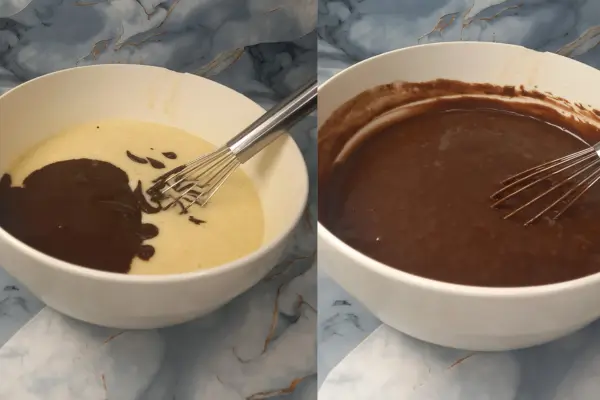
Pour the batter into the prepared cake pans, dividing it as evenly as you can. If you have a kitchen scale, you can weigh the pans for accuracy. If not, just pour carefully and check by eye. Smooth the tops lightly with a spatula if needed.
Even layers bake more evenly and make stacking easier later. If one pan has much more batter than the other, one layer may bake slower and end up thicker, which can make frosting and assembling harder.
Step 6: Bake the Cake Layers
Place the pans in the preheated oven and bake for 30 to 35 minutes. Try not to open the oven door too early. Cakes need steady heat, and opening the door too soon can affect the rise. Around the 30-minute mark, check the center of each cake with a toothpick or cake tester. If it comes out with a few moist crumbs but no wet batter, the cakes are done.
The tops should spring back lightly when touched. If the tester comes out with wet batter, bake for a few more minutes and check again. Every oven is a little different, so keep an eye on the cakes near the end of the baking time.
Step 7: Cool the Cakes Properly
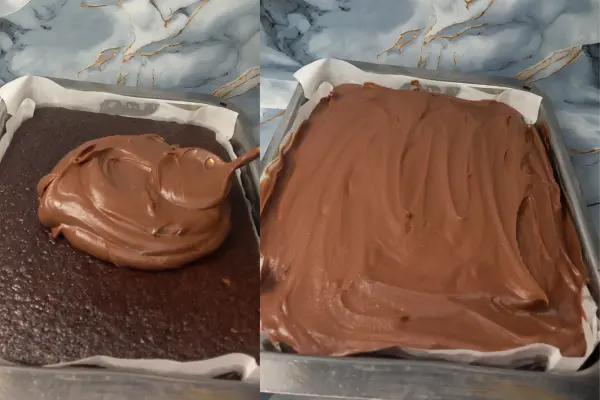
Once baked, remove the pans from the oven and place them on a wire rack. Let the cakes cool in the pans for about 10 to 15 minutes. This short rest allows the structure to settle, so the layers are less likely to break when turned out. After that, run a knife gently around the edges if needed, then carefully remove the cakes from the pans and peel off the parchment paper.
Place the layers on the wire rack and let them cool completely. This part takes patience, but it matters. If you frost the cake while it is still warm, the frosting will melt and slide. A fully cooled cake is much easier to stack and frost neatly.
Step 8: Make the Chocolate Frosting
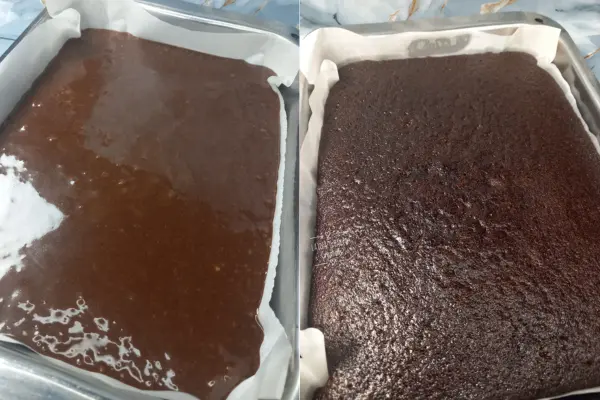
While the cake cools, prepare the frosting. Place the softened butter in a large bowl and beat it until creamy and smooth. This usually takes 2 to 3 minutes. Starting with soft butter is important because it helps create a lighter frosting with a smooth finish.
Next, add the cocoa powder and mix until combined. Then add the powdered sugar a little at a time, followed by the cream or milk, vanilla extract, and a pinch of salt. Beat the frosting until it looks fluffy, smooth, and easy to spread. If it feels too thick, add a little more cream, one spoon at a time. If it feels too soft, add a little more powdered sugar.
A good frosting should be soft enough to spread easily but firm enough to hold its shape. Do not rush this step. A well-made frosting makes the whole cake feel more polished and enjoyable.
Step 9: Level the Cake Layers if Needed
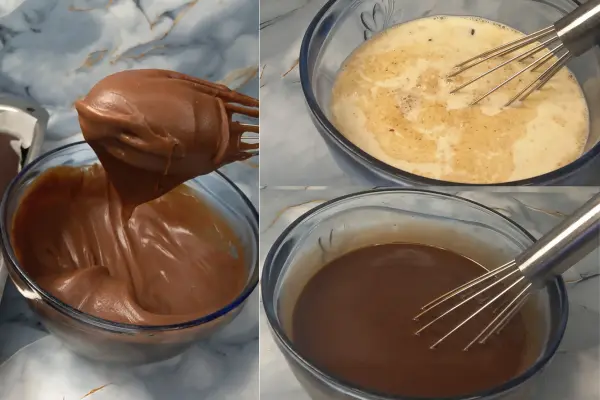
Once the cake layers are fully cool, look at the tops. If they have domed a lot, you can level them with a serrated knife by trimming off the rounded top. This is optional, but it helps create a more even stacked cake.
If you are new to this, go slowly and keep the knife level as you trim. You do not need to remove much. Even a small trim can help the cake sit more evenly and look cleaner once frosted.
Step 10: Fill and Stack the Cake
Place one cake layer on your serving plate or cake stand. Add a generous amount of frosting to the top and spread it evenly from edge to edge. This center layer of frosting gives the cake moisture and richness in every bite.
Set the second cake layer on top, with the flattest side facing up if possible. Press very gently so it settles into place without squeezing the frosting out too much. If the cake shifts, adjust it now before frosting the outside.
Step 11: Frost the Top and Sides
Spread frosting over the top of the cake first, then move to the sides. Use an offset spatula or butter knife to smooth it out. The goal is not perfection. A homemade cake should look generous and inviting. Smooth swirls and soft texture on the frosting look beautiful and natural.
If you want a cleaner finish, you can do a thin first layer called a crumb coat. This is just a light layer of frosting that holds loose crumbs in place. Chill the cake for 15 to 20 minutes, then add the final layer of frosting. This extra step gives a neater finish, but it is not required.
Step 12: Add the Final Touches and Serve
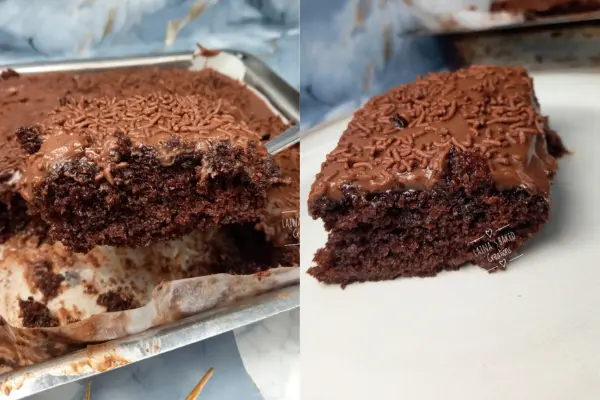
Finish the cake with chocolate shavings, sprinkles, berries, or simple frosting swirls if you like. Let the cake sit for a short time before slicing so the frosting settles nicely. Use a sharp knife and wipe it clean between slices for neat pieces.
Once sliced, you will see the soft chocolate layers and creamy frosting together. This is the kind of cake that feels right at home on a celebration table, but it is just as welcome with afternoon tea or as a weekend treat.




- Be Respectful
- Stay Relevant
- Stay Positive
- True Feedback
- Encourage Discussion
- Avoid Spamming
- No Fake News
- Don't Copy-Paste
- No Personal Attacks
- Be Respectful
- Stay Relevant
- Stay Positive
- True Feedback
- Encourage Discussion
- Avoid Spamming
- No Fake News
- Don't Copy-Paste
- No Personal Attacks
