Moist Coconut Cake Recipe in 10 Steps
Published: 3 Mar 2026
Here is a short video explaining the process, scroll down for detailed ingredients and step by step recipe method. Thanks for coming and do not forget to follow Food Paradise on Pinterest.
Table of Contents
Ingredients with Exact Amounts
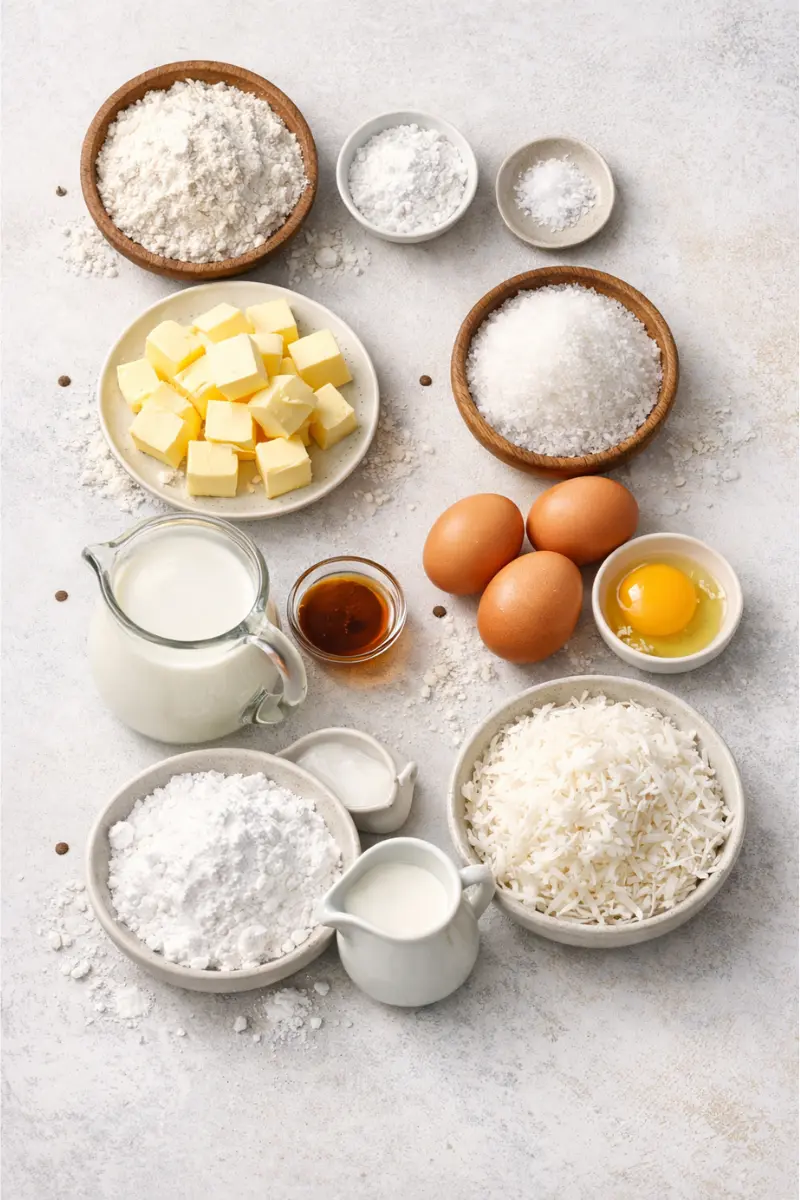
Cake Ingredients
- 2¾ cups (350 g) all-purpose flour
- 1 tablespoon baking powder
- ½ teaspoon salt
- 1 cup (226 g) unsalted butter, softened
- 2 cups (400 g) granulated sugar
- 4 large eggs
- 1 cup (240 ml) milk or coconut milk
- 1 teaspoon vanilla extract
- 1 cup shredded or desiccated coconut
Frosting (Optional)
- 2 cups powdered sugar
- 1–2 tablespoons coconut milk or cream (adjust for consistency)
- 1½ cups shredded coconut for topping
Step-by-Step Recipe Method (Core Section)
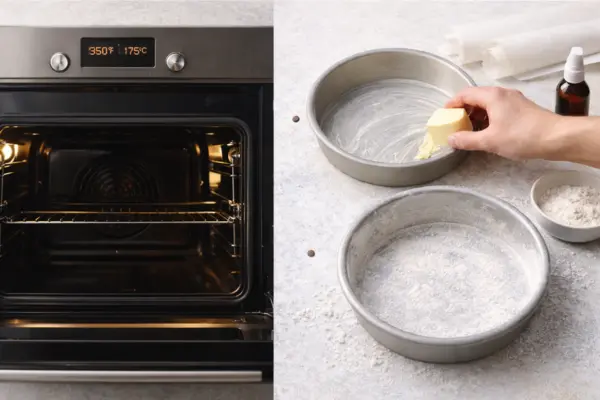
Step 1: Prepare Your Oven and Pan
Begin by preheating your oven to 350 °F (175 °C). Grease two 9-inch round cake pans with butter or cooking spray, then lightly dust with flour to prevent sticking. If you prefer, line the pans with parchment paper for easier removal. This step ensures your cakes bake evenly and come out cleanly from the pans.
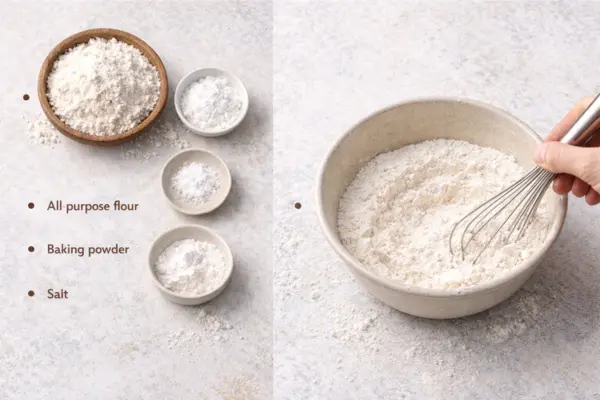
Step 2: Mix Dry Ingredients
In a medium bowl, combine the all-purpose flour, baking powder, and salt. Whisk them together until evenly mixed. This ensures that the leavening agent is well distributed, which helps the cake rise evenly during baking. Set the dry mixture aside while you prepare the wet ingredients.
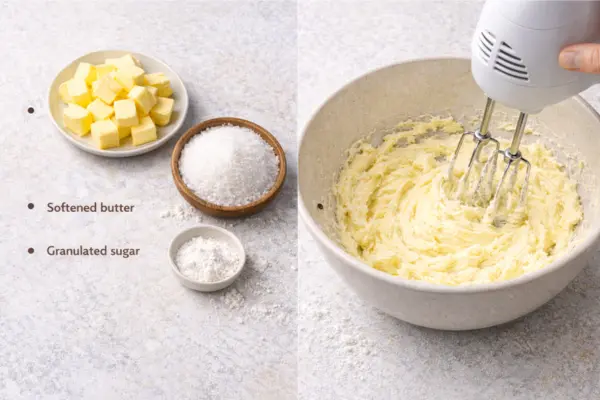
Step 3: Cream Butter and Sugar
In a large mixing bowl, add the softened butter and granulated sugar. Using a hand mixer or stand mixer, beat on medium speed for about 3–4 minutes until the mixture becomes light, fluffy, and pale yellow. This creaming step incorporates air, which gives the cake a soft and tender texture.
Step 4: Add Eggs and Vanilla
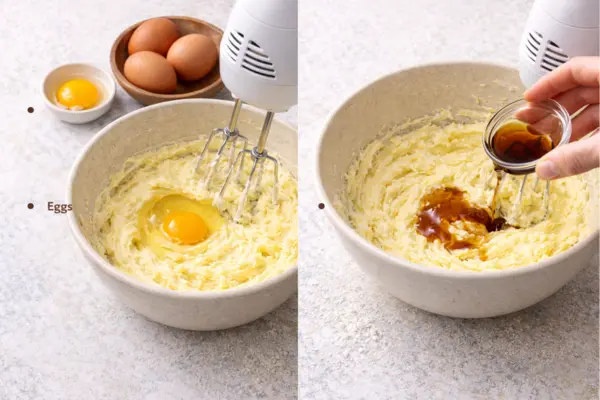
Add the eggs one at a time, beating well after each addition. This helps the eggs blend fully and prevents the batter from curdling. Once all eggs are incorporated, stir in the vanilla extract. The vanilla enhances the natural flavor of the coconut and gives the cake a sweet, aromatic note.
Step 5: Combine Dry and Wet Ingredients
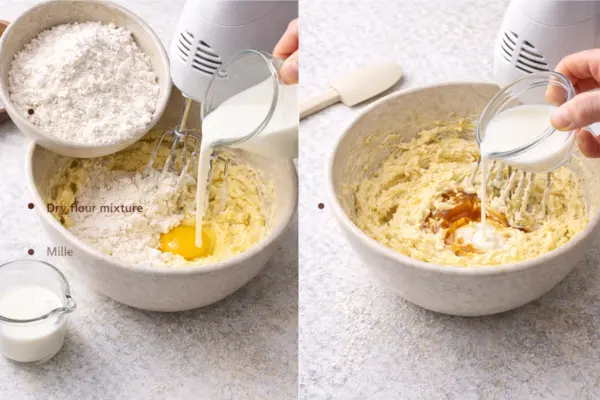
Gradually add the dry flour mixture to the creamed butter and sugar in three additions, alternating with the milk. Begin and end with the dry ingredients. Mix gently on low speed or fold with a spatula until just combined. Overmixing at this stage can make the cake dense.
Step 6: Fold in Coconut
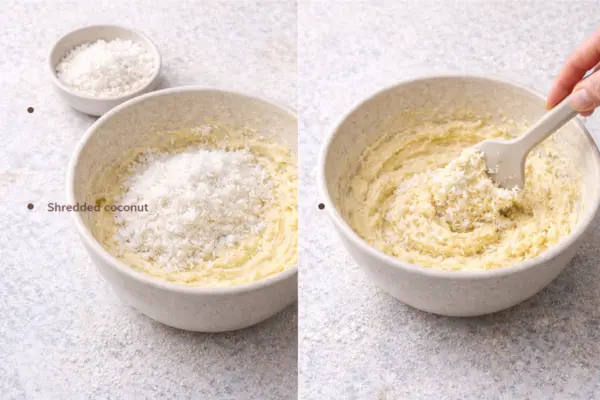
Gently fold in 1 cup of shredded coconut using a spatula. This adds texture and the signature coconut flavor throughout the cake. Ensure the coconut is evenly distributed without overmixing the batter.
Step 7: Pour Batter and Bake
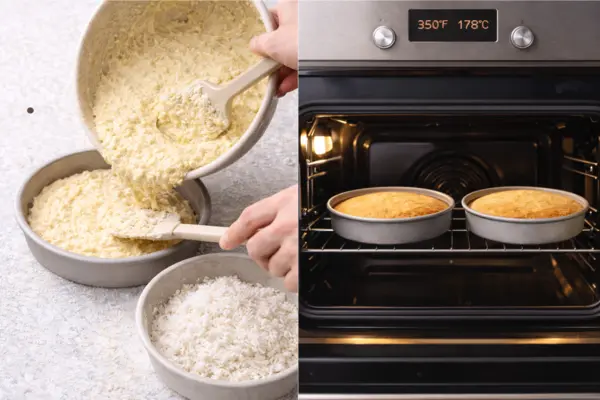
Divide the batter evenly between the prepared pans, smoothing the tops with a spatula. Place the pans in the preheated oven and bake for 30–40 minutes, or until a toothpick inserted into the center comes out clean. Avoid opening the oven too often to prevent the cake from sinking.
Step 8: Cool the Cake
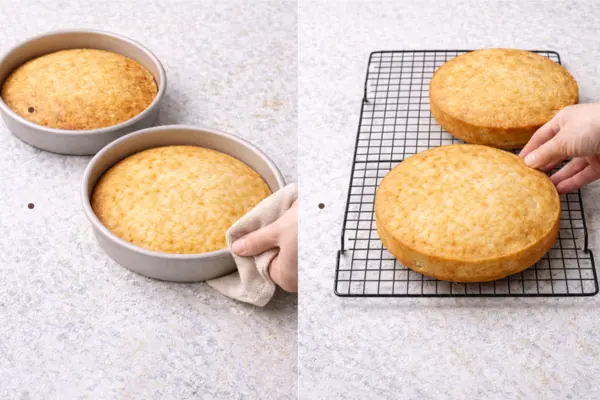
Allow the cakes to cool in the pans for 10 minutes. Then, carefully remove them from the pans and transfer to a wire rack to cool completely. Cooling is essential before frosting, as applying icing to warm cakes can make it melt and slide off.
Step 9: Prepare Frosting (Optional)
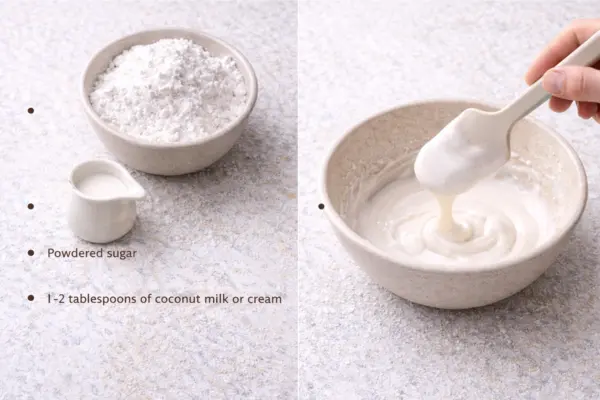
In a bowl, mix powdered sugar with 1–2 tablespoons of coconut milk or cream until smooth. Adjust the consistency so that it spreads easily but is not too runny. You can also add a small pinch of vanilla for extra flavor.
Step 10: Frost and Decorate
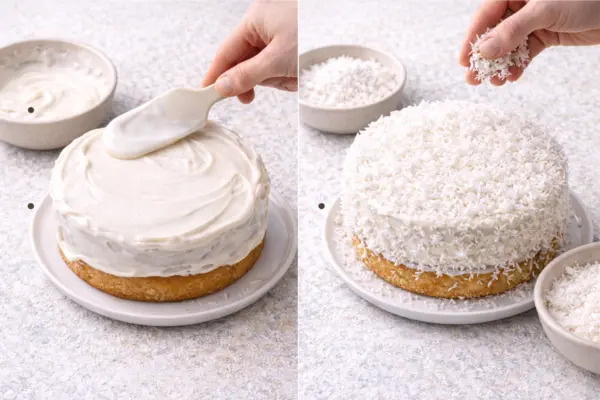
Once the cake layers are completely cooled, spread frosting evenly over the top and sides of the cake. Sprinkle 1½ cups of shredded coconut on top for decoration. You can also press lightly on the sides if desired. Chill for 10–15 minutes to set the frosting before serving.
Variations in the Recipe
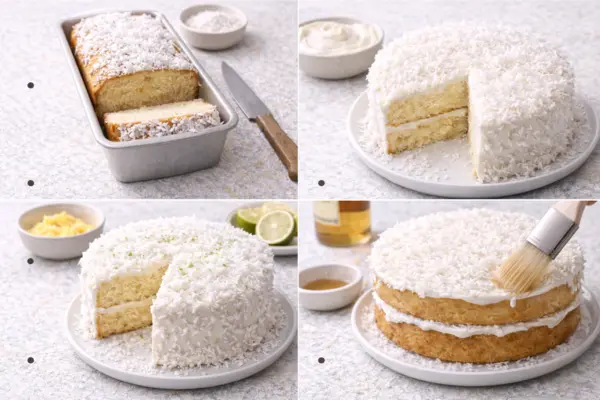
- Coconut Loaf Cake – Bake the batter in a loaf pan for a simple, easy-to-slice treat.
- Cream Cheese Frosting – Swap powdered sugar frosting with cream cheese frosting for a tangy, rich flavor.
- Tropical Add-Ins – Mix in crushed pineapple or lime zest for a fresh tropical twist.
- Rum-Soaked Cake – Brush cooled cake layers with a rum syrup for a special adult version.
Mistakes to Avoid
- Not measuring ingredients accurately – baking is precise, and slight changes can affect texture.
- Overmixing the batter – can make the cake dense and tough.
- Baking at the wrong temperature – too high burns the edges, too low makes it soggy.
- Frosting a warm cake – causes frosting to melt and slide off.
- Using stale coconut – reduces flavor and texture.
Conclusion
This coconut cake recipe is a foolproof way to create a moist, flavorful, and visually appealing dessert at home. Its soft texture and tropical flavor make it a favorite for both kids and adults. With simple ingredients and clear steps, you can experiment with variations like cream cheese frosting, tropical add-ins, or a rum-soaked twist. Share this cake with family or friends and enjoy the sweet, comforting taste of coconut in every bite.
FAQs
Can I make this cake without coconut milk?
Yes, substitute regular milk if you don’t have coconut milk. Coconut milk enhances the tropical flavor, but regular milk works well.
How do I store leftover cake?
Wrap the cake tightly in plastic wrap or store in an airtight container in the refrigerator for up to 3 days.
Can I freeze coconut cake?
Yes, wrap the cooled cake tightly in plastic wrap and then foil. Freeze for up to 2 months.
What’s the best coconut to use?
Shredded or desiccated coconut works best. Shredded gives texture, while desiccated is finer.
Can I make it dairy-free?
Yes, use plant-based milk like almond or oat milk and a dairy-free butter substitute. The cake will still be moist and flavorful.



- Be Respectful
- Stay Relevant
- Stay Positive
- True Feedback
- Encourage Discussion
- Avoid Spamming
- No Fake News
- Don't Copy-Paste
- No Personal Attacks
- Be Respectful
- Stay Relevant
- Stay Positive
- True Feedback
- Encourage Discussion
- Avoid Spamming
- No Fake News
- Don't Copy-Paste
- No Personal Attacks
