Basque Cheesecake: How to Make a Creamy, Caramelised Classic at Home
Published: 23 Jan 2026
If you’re looking for a dessert that’s as visually impressive as it is delicious, Basque cheesecake is the perfect choice. With its creamy centre, caramelised top, and rustic appearance, this cheesecake is unlike any other. Originating from the Basque region of Spain, it’s become a worldwide sensation for its easy preparation and extraordinary flavour. If you’ve been searching for a unique cheesecake recipe to try at home, you’re in the right place.
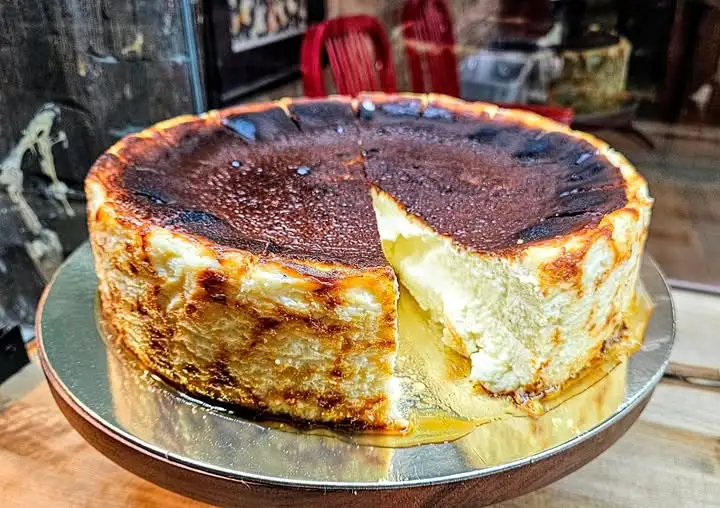
In this guide, I’ll walk you through every step of making this beautiful dessert, from the ingredients to the final product. By the end, you’ll be able to create a Basque cheesecake that’s perfect for any occasion. And don’t forget to check out our homepage for more food recipes!
Table of Contents
What is Basque Cheesecake?
Basque cheesecake, or Tarta de Queso Vasca, is a unique take on the traditional cheesecake. Unlike most cheesecakes, Basque cheesecake doesn’t have a crust and is known for its deep caramelised top and creamy, custard-like centre. It’s baked at a high temperature to achieve the signature burnt look while maintaining a soft and velvety texture inside.
The result is a decadent dessert that has the perfect balance of rich cream cheese flavour and a slight bitterness from the caramelisation. It’s a cheesecake that’s perfect for those who enjoy a little twist on the classics. But don’t be fooled by its simple appearance — the flavour is what makes it truly extraordinary.
Where Basque Cheesecake Comes From
The Basque cheesecake has its roots in the Basque Country, a region that spans parts of Spain and France. It gained widespread recognition thanks to La Viña, a popular restaurant in San Sebastián. The original recipe, crafted in the late 1980s, quickly became a favourite among locals, and eventually, it reached the global stage.
What makes this cheesecake so special is its high baking temperature, which causes the top to caramelise beautifully. It’s an unusual technique for a cheesecake but one that makes the dish stand out. Today, Basque cheesecake can be found in bakeries and kitchens worldwide, each with their own take on the beloved dessert.
Why This Cheesecake Is Different
While most cheesecakes are known for their smooth, dense texture, Basque cheesecake has a completely different charm. One of the key differences is the lack of a crust. This gives the cheesecake a more rustic look, which is part of its appeal. The outer edges are dark and crispy, while the centre remains creamy and smooth.
The high baking temperature is what gives this cheesecake its unique flavour. The burnt top not only adds a slightly bitter contrast to the sweetness of the filling but also provides a delightful texture that enhances the overall experience. If you’re looking for a cheesecake with a bit more personality, this is the one for you.
Ingredients You’ll Need
Before you begin, gather the following ingredients. Don’t worry, nothing too fancy here — these are basic ingredients you likely already have in your kitchen:
- Cream cheese (full-fat) – The star of the cheesecake, it gives the dessert its rich and creamy texture.
- Granulated sugar – For sweetness, balancing out the cream cheese’s tanginess.
- Large eggs – These provide structure to the cheesecake and help it set properly.
- Heavy cream – Adds richness and helps create that silky smooth texture.
- All-purpose flour – A small amount helps give the cheesecake its structure without making it dense.
- Vanilla extract – For a subtle hint of flavour.
- Pinch of salt – Enhances the overall taste.
Pro tip:
Room temperature ingredients mix more smoothly, so be sure to let your cream cheese, eggs, and heavy cream sit out for a bit before you start.
Equipment and Tools
To make this cheesecake, you don’t need any special equipment — just a few standard tools that are easily available:
- 9-inch springform pan – You can use a regular cake pan, but a springform pan is ideal for easy removal.
- Parchment paper – Essential for lining the pan and ensuring the cheesecake comes out perfectly after baking.
- Mixer (or whisk and elbow grease) – A hand or stand mixer is perfect for getting a smooth batter, but you can also use a whisk if you’re up for a little workout.
- Oven – The baking temperature is crucial for creating that caramelised top, so a reliable oven is key.
- Cooling rack – For cooling the cheesecake once it’s done baking.
Step‑by‑Step Recipe Method
Please follow these instruction
Preparing the Pan
Start by preparing your pan. To achieve the perfect shape and remove the cheesecake easily, you’ll need to line the bottom and sides of a 9-inch springform pan with parchment paper. Cut a large enough piece of parchment paper so that it fits the pan, and press it against the edges, allowing it to come up above the rim. This will give the cheesecake its signature rustic look, with some of the batter spilling over the sides as it rises during baking. The paper will also help prevent any sticking, making removal a breeze once it’s baked.
Once the pan is ready, set it aside while you prepare the batter.
Mixing the Batter
- Cream the Cheese and Sugar:
In a large mixing bowl, add 2 pounds (900g) of full-fat cream cheese. Beat the cream cheese with an electric hand mixer or stand mixer on medium speed for about 1-2 minutes, until it becomes smooth and creamy. Gradually add 1 cup (200g) of granulated sugar and continue mixing until the sugar is fully incorporated into the cream cheese. The mixture should be smooth with no lumps. It’s important to mix well to avoid any clumps of cream cheese in the batter. - Add the Eggs:
Add 4 large eggs, one at a time, mixing well after each addition. Make sure each egg is fully incorporated before adding the next. This helps ensure a smooth, consistent batter. You’ll notice that the mixture will begin to lighten in texture as you add the eggs. - Incorporate the Heavy Cream:
Pour in 1 cup (240ml) of heavy cream and continue mixing until the batter is smooth. The cream adds richness and contributes to the cheesecake’s velvety texture. It will thin the mixture slightly, which is normal. - Sift in the Flour and Vanilla:
Sift 2 tablespoons (15g) of all-purpose flour directly into the mixture to prevent any lumps from forming. Add a pinch of salt to balance the flavours and 1 teaspoon of vanilla extract for a subtle sweetness. Mix everything together until it’s completely smooth, and the batter has a slightly thick but pourable consistency.
Baking the Cheesecake
- Preheat the Oven:
Preheat your oven to 210°C (410°F). The high baking temperature is essential for achieving the signature caramelised top of the Basque cheesecake. - Pour the Batter Into the Pan:
Pour the smooth batter into the prepared springform pan. Use a spatula to spread the batter evenly across the top. You’ll notice the batter will be quite runny, but that’s perfectly fine; it will thicken as it bakes. - Bake:
Place the pan in the center of your preheated oven and bake for about 50-60 minutes. The cheesecake will puff up in the oven, and the top should become golden brown, even a bit charred in spots. Don’t worry if the top looks darker than expected — this caramelisation is what makes Basque cheesecake unique. During baking, the centre of the cheesecake will remain slightly wobbly, but it will set as it cools. If you’re unsure whether the cheesecake is done, gently shake the pan; it should have a slight jiggle in the middle, but the edges should be firm.
Cooling and Chilling
- Cool in the Oven:
Once the cheesecake is done, turn off the oven and leave the cheesecake inside with the oven door slightly ajar for about 1 hour. This gradual cooling process prevents the cheesecake from sinking too much. The cheesecake may settle and form slight cracks on top — this is perfectly normal and part of its rustic charm. - Remove and Cool to Room Temperature:
After 1 hour, take the cheesecake out of the oven and let it cool at room temperature for about 30 minutes. The cheesecake will continue to firm up as it cools. - Refrigerate:
Once the cheesecake has cooled to room temperature, cover it with plastic wrap or foil and place it in the refrigerator. Chill for at least 4 hours, but ideally, you should let it sit in the fridge overnight for the best texture and flavour. The cheesecake will firm up beautifully and reach its full flavour potential after a good chill.
Pro Tips for Best Results
To ensure your Basque cheesecake turns out just right, follow these tips:
- Room temperature ingredients: Let your cream cheese, eggs, and heavy cream sit out for about 30 minutes before starting. This ensures smooth mixing.
- Don’t worry about cracks: It’s normal for the cheesecake to crack slightly on top. It’s part of the rustic charm.
- Broil for extra caramelisation: If your cheesecake hasn’t browned enough, place it under the broiler for 1-2 minutes at the end of baking.
- Chill uncovered: Let your cheesecake set uncovered in the fridge to ensure it firms up beautifully without becoming too moist.
How to Serve Basque Cheesecake
Basque cheesecake is best served at room temperature for the richest flavour. Allow the cheesecake to sit out for 30-60 minutes before slicing. This helps bring out its full creamy texture and flavour.
You can enjoy it on its own, or top it with fresh berries, a drizzle of honey, or a dollop of whipped cream. Some like to serve it with a light berry compote for added freshness and contrast. Either way, it’s sure to be a crowd-pleaser!
Variations to Try
While the classic Basque cheesecake is unbeatable, here are a few fun variations to try:
- Citrus Zest: Add lemon or orange zest to the batter for a fresh, zesty twist.
- Honey and Cinnamon: Mix a little honey and cinnamon into the cream cheese mixture for added depth of flavour.
- Tiramisu Basque Cheesecake: Infuse a bit of coffee and cocoa powder into the batter for a unique dessert fusion.
Common Mistakes and How to Avoid Them
Like any recipe, a few missteps can happen. Here are common issues and easy fixes:
- Batter too lumpy: Make sure your cream cheese is at room temperature and mix thoroughly to avoid lumps.
- Too firm or too soft: If the cheesecake is too firm, reduce the baking time slightly. If too soft, let it chill for longer.
- Uneven browning: Use a broiler for a more even caramelisation at the end of the baking process.
Make‑Ahead and Storage Tips
This cheesecake keeps wonderfully! You can make it up to 3 days in advance, storing it in the fridge. For longer storage, freeze it for up to a month. To freeze, wrap it tightly in plastic wrap and place it in an airtight container.
To serve after freezing, let it thaw in the fridge overnight.
Closing Encouragement
Basque cheesecake is a unique and rewarding dessert to try. Its rich, creamy interior and caramelised top make it an irresistible treat for any occasion. I encourage you to give this recipe a try and enjoy the delicious results. Don’t forget to visit our homepage for more delightful recipes!



- Be Respectful
- Stay Relevant
- Stay Positive
- True Feedback
- Encourage Discussion
- Avoid Spamming
- No Fake News
- Don't Copy-Paste
- No Personal Attacks
- Be Respectful
- Stay Relevant
- Stay Positive
- True Feedback
- Encourage Discussion
- Avoid Spamming
- No Fake News
- Don't Copy-Paste
- No Personal Attacks
